
A Spoonful of Sugar | Diabetes on the Rise
Diabetes is becoming an epidemic in the Philippines. Here's what you need to know about it.
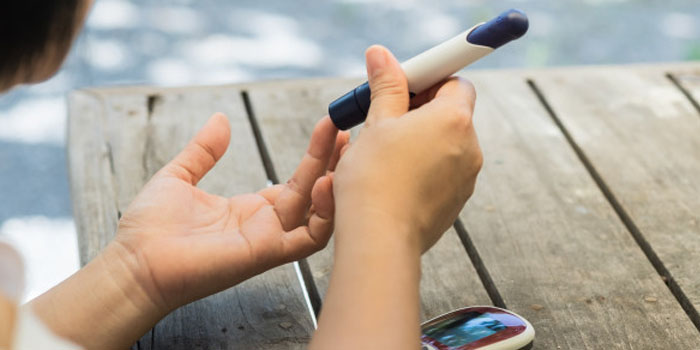
Mary Poppins once told us, “Just a spoonful of sugar helps the medicine go down.”
But just like any other vices, too much sugar can make you sick as well.
Diabetes is one of the leading causes of death in the Philippines, alongside cardiovascular problems, pneumonia, and cancer. Now, it is becoming an epidemic in the country. The International Diabetes Federation ranks the Philippines as fifth in the Western Pacific region, behind China, Indonesia, Japan, and Thailand, with over 3.7 million Filipinos recorded with diabetes. In the Sun Life Financial Asia Diabetes Awareness Study conducted in the region last October 2018, ¾ of the respondents from the Philippines believed that their disease is inherited from their parents.
Different institutions, including the University of the East Ramon Magsaysay Medical Center (UERMMC), take part in raising awareness and taking action on the prevention and treatment of the disease. Here's what you need to know about this.
What is Diabetes?
Diabetes, short for diabetes mellitus, is a group of diseases that determine how your body uses blood sugar or glucose. The International Diabetes Federation (IDF) refers to it as a condition when your pancreas either cannot make insulin anymore (Type 1) or is improperly using it (Type 2).
Glucose is found in our daily food. It energizes our muscles, tissues, and even our brain. The pancreas helps regulate glucose into our bloodstream through insulin, a hormone created by the organ. Not being able to produce insulin or its misuse can cause the glucose to rise, resulting in hyperglycemia. Long-term rise of sugar levels may lead to damage to different organs in the body, including the heart and blood vessels, the eyes, kidneys, nerves, and teeth.
Types of Diabetes
The IDF identifies three types of diabetes:
- Type 1 refers to the condition when your pancreas cannot produce insulin anymore.
- Type 2 is the misuse of insulin produced by the organ.
- Gestational diabetes develops during pregnancy, putting both the mother and child at risk. This type may increase the chance of them having type 2 diabetes in the future, usually around five to ten years.
Causes, Signs, and Symptoms
Symptoms may vary depending on the type of diabetes you have. People with prediabetes and Type 2 diabetes may not experience it at first, while those with Type 1 may have it quickly and more severely.
People with Type 1 and 2 diabetes usually experience:
- Increased thirst
- Extreme hunger
- Frequent trips to the bathroom
- Sudden weight loss
- Fatigue or drowsiness
- Blurry vision
- Wounds that are healing slowly
- Dry skin
- Numbness in the hands or feet
- Frequent skin, gum, bladder, or vaginal yeast infection
Type 1 diabetes is caused by several environmental factors and cannot be prevented, while type 2 is caused by a lot of factors, mostly relating to lifestyle.
Symptoms of gestational diabetes may appear at any term of pregnancy, more commonly during the 2nd and 3rd trimester, and disappear after giving birth. You have a high risk of developing the disease if you:
- Previously gave birth to a child weighing 4.5 kgs or more
- Previously experienced gestational diabetes
- One of your parents had diabetes
- Have a body mass index of 30 and above.
Pregnant women, meanwhile, may experience:
- High blood pressure
- Obstructed labor
- Large birth weight babies
Complications
The IDF states that a person with diabetes may risk different complications such as:
- Cardiovascular disease which leads to coronary heart disease and stroke
- Kidney problems which cause kidney malfunction
- Nerve diseases particularly peripheral neuropathy, which may be accompanied by pain, tingling sensation, or loss of feeling or numbness
- Eye complications that cause reduced vision or blindness
- Pregnancy complications when the fetus puts on weight, which leads to problems in delivery, trauma for both mother and child, and sudden drop of glucose for the child after birth
- Oral complications particularly bleeding of the gums (periodontitis) which can lead to cardiovascular problems
Diagnosis
Upon the doctor’s recognition of symptoms, several tests may be requested to confirm if you have diabetes:
- Fasting blood sugar test. Usually done in the morning, after an 8-hour fasting.
- Oral glucose tolerance test. You will drink a beverage with 75 grams of glucose dissolved in water, then a doctor or nurse will measure the amount of glucose in your blood after two hours.
- Random blood sugar test. Measures your blood sugar at any time of the day, regardless of fasting or not.
- A1C test. Provides information on your average blood sugar levels for the past three months.
Treatment
The website of the National Health Services in the UK states several ways of treating diabetes. For type 1, since the pancreas can’t produce insulin anymore, patients should take up insulin. This can be done in two different ways: basal insulin, which is taken once or twice a day, and bolus insulin, which should be taken along with food or drink. For type 2, metformin is usually prescribed and the person is advised to have a proper diet and exercise.
In the Philippines, the Department of Health (DOH) has an Insulin Access Program, a part of the Medical Access Program, that gives diabetic patients access to affordable insulin through the consignment system.
In September 2019, the UERM Management and Board of Trustees also started retooling the hospital’s diabetes center, offering free consultations every Thursday. For more information, you may visit UERM Diabetes Center’s Facebook page or call (02) 715-0861.
Persons diagnosed with diabetes should have their blood sugar regularly monitored, especially for women before deciding to conceive. Persons aged 13 and above should also undergo diabetes eye screening to prevent eye complications which can lead to loss of sight once remain untreated.
Prevention
Several measures are recommended to prevent the risk of having diabetes, such as:
- Proper diet and exercise
- Engaging in physical activities
- Choosing water, coffee, or tea instead of juices or other sweetened beverages
- Eating green leafy vegetables
- Limiting alcohol intake
- Limiting sugar intake in general
So, remember to think twice when eating that extra piece of doughnut or sweets at your gathering. Sugar may help the bitter taste of medicine go away, but too much of it might force you to take more in the long run.
What is diabetes? Retrieved from
https://www.idf.org/aboutdiabetes/
'Diabetes now an epidemic in PH', published on Sep 3, 2019
https://lifestyle.inquirer.net/344678/diabetes-now-an-epidemic-in-ph/
The Philippines is a diabetes 'hotspot', published on Jan 9, 2018
https://lifestyle.inquirer.net/283947/philippines-diabetes-hotspot/
'Diabetes', retrieved October 2019
https://familydoctor.org/condition/diabetes/
Diabetes - NHS
https://www.nhs.uk/conditions/diabetes/
The Philippines - IDF Western Pacific Members, retrieved October 2019
https://idf.org/our-network/regions-members/western-pacific/members/116-the-philippines.html
Diabetes - Symptoms and causes, MayoClinic
https://www.mayoclinic.org/diseases-conditions/diabetes/symptoms-causes/syc-20371444