
Avocado | A Delicious Superfood
Don’t be afraid of avocados because you think they're fattening! The often over-looked avocado is a delicious superfood that’s simply too healthy to skip. Find out about the nutritional perks of avocados.
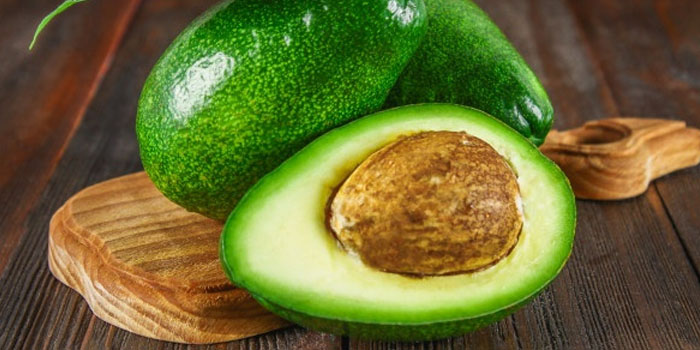
Avocados are delicious fruits with a myriad of uses in cuisine. It doesn’t hurt that they are packed with nutrients providing a long list of health benefits as well. On top of that, they can add that extra "oomph" to a meal. But what is it about the avocado that makes it such a superfood?
A Nutrient All-Star
Avocados have nearly 20 vitamins and minerals in every serving. Some of them are potassium (helps control blood pressure), lutein (good for your eyes), and folate (vital for cell repair and during pregnancy). On top of that, avocados are a good source of B vitamins that help fight off disease and infection. They also provide you with vitamins C and E, and natural plant chemicals that may help prevent cancer.
Avocados are also low in sugar and they contain fiber, which helps you feel full longer. Avocados have higher levels of soluble fiber than other fruits. They also contain a number of other useful minerals such as iron and copper. In one study, people who added half of a fresh avocado to their lunch were a lot less interested in eating during the next three hours.
And if those aren’t enough, avocados are an excellent source of monounsaturated fat. This means avocados are high in calories due to the high-fat content. But, it's monounsaturated fat, which is a good fat that helps lower bad cholesterol, as long as you eat them in moderation. Those managing their weight might want to limit the number of avocados they consume to two per week while at the same time increasing the portions of other low-calorie fruits and vegetables. One hundred grams of avocado contains about 19g of fat, of which 12g are monounsaturated fats.
Health Benefits
The research concerning the types of fat that we should be eating for a healthy diet is constantly fluctuating. At present, it is recommended that we choose unsaturated fats such as monounsaturated fat (like that found in avocados) as they are evidently better for heart health than saturated fat.
Research suggests that monounsaturated fat helps to protect against heart disease and lowers blood pressure. The oils found in avocados include oleic acid and linoleic acid. Because they are monounsaturated fats, they are recommended as part of a balanced diet to prevent high cholesterol. As research has developed, the avocado has been commended as a good example of nutrient-dense food.
There is no doubt that the number of calories found in avocados is greater than other fruits and vegetables. But it is exactly the fat content of avocados and the fiber they contain, which leads to feelings of fullness which, in turn, can help with appetite regulation.
How to Select and Store
Avocados are best eaten when they are perfectly ripe. Keep in mind that they can take up to five days to ripen. To speed up the ripening process, put them in a paper bag along with an apple or banana (which releases ethylene and ripens the avocado). When the outside skins turn black or a dark purple and yield to gentle pressure, they’re ready to eat.
Avocados shouldn't be refrigerated until they are ripe. To protect it from browning once opened, you can squeeze lemon juice on the flesh.
When shopping for them, avoid those which are overripe with brown, fibrous flesh as it will taste bitter and mushy and is an indication of rot. As there are hundreds of varieties available from around the world, they are always available in season in both markets and supermarkets if you know where to look.