
Beat the Heat: How to Prevent Heatstroke in the Hot Climate of the Philippines
Feeling the heat? Don't sweat it! Dive into our guide on beating the scorching temperatures of the Philippines. Learn how to stay cool, hydrated, and healthy in the face of the sun's relentless rays. Click now to unlock your essential summer survival tips!
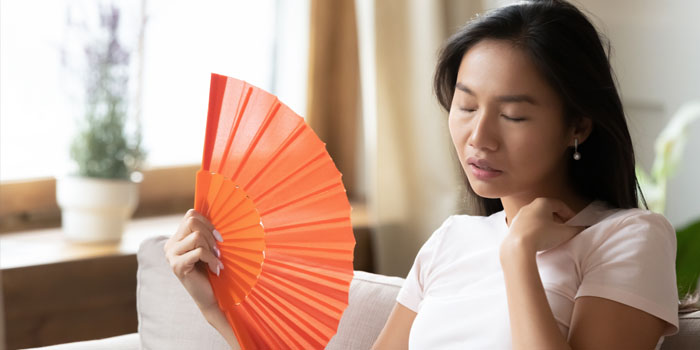
With its tropical climate and high humidity levels, the Philippines is no stranger to scorching temperatures, especially during the summer months. While enjoying the sun and warmth can be invigorating, it's essential to stay mindful of the risks associated with prolonged exposure to extreme heat. One such risk is heatstroke, a serious condition that requires immediate attention. In this article, we'll explore what heatstroke is, its symptoms, and most importantly, how to prevent it in the hot climate of the Philippines.
Understanding Heatstroke:
Heatstroke, also known as sunstroke, occurs when the body overheats to a dangerous level, usually as a result of prolonged exposure to high temperatures. In the Philippines, where temperatures can soar above 30°C (86°F) even in the shade, the risk of heatstroke is heightened, especially during the dry season.
Recognizing the Symptoms:
Heatstroke can manifest in various ways, but common symptoms include:
- High body temperature: A body temperature of 40°C (104°F) or higher is a significant sign of heatstroke.
- Flushed skin: The skin may become hot and red, despite the surrounding temperature.
- Rapid heartbeat and breathing: The body tries to cool itself down by increasing heart rate and breathing.
- Headache, dizziness, and nausea: These symptoms may progress to confusion, agitation, or even loss of consciousness if left untreated.
Preventing Heatstroke in the Philippines:
- Stay Hydrated: In the hot and humid climate of the Philippines, dehydration can occur rapidly, increasing the risk of heatstroke. Drink plenty of fluids throughout the day, even if you don't feel thirsty. Water is the best choice, but coconut water and sports drinks can also help replenish electrolytes lost through sweating.
- Seek Shade: Limit your exposure to direct sunlight, especially during the peak hours of heat between 10 a.m. and 4 p.m. If you must be outdoors, seek shade under trees, umbrellas, or awnings.
- Wear Appropriate Clothing: Opt for loose-fitting, lightweight, and light-colored clothing that allows your skin to breathe. Dark colors absorb heat, while lighter colors reflect sunlight, helping to keep you cooler.
- Take Breaks: If you're engaged in outdoor activities or work, take regular breaks in shaded or air-conditioned areas to cool down and rest.
- Use Sun Protection: Apply sunscreen with a high SPF to protect your skin from harmful UV rays. Wear a wide-brimmed hat and sunglasses to shield your face and eyes from direct sunlight.
- Avoid Strenuous Activity: During the hottest parts of the day, avoid strenuous exercise or physical exertion. Save outdoor workouts or chores for cooler times, such as early morning or late afternoon.
- Monitor Vulnerable Individuals: Keep a close eye on children, elderly individuals, and those with chronic health conditions, as they are more susceptible to heat-related illnesses.
While the hot climate of the Philippines offers opportunities for outdoor fun and activities, it's crucial to prioritize your health and safety, especially during periods of extreme heat. By staying hydrated, seeking shade, wearing appropriate clothing, and taking breaks when needed, you can significantly reduce your risk of heatstroke and enjoy all that the beautiful Philippine weather has to offer. Stay cool, stay safe, and beat the heat!