
Beating the Odds of Polio in the Philippines
A return of polio could endanger thousands of children in the Philippines.
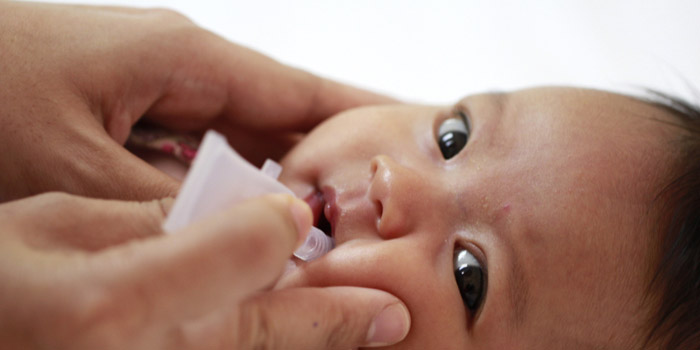
It has been decades when polio or poliomyelitis was excluded on the list of feared diseases in the Philippines.
The confirmation of a paralyzed three-year-old girl from Lanao del Sur marks the return of the poliovirus. Eradicated from the Philippines nearly two decades ago, the country was certified polio-free in 1993. However, the resurgence of this illness now poses a threat to children across the country.
What is Polio?
The virus, which infects the person’s brain and spinal cord, can cause short or long-term paralysis. It is also very contagious. A weak immune system can make a child more susceptible to the disease.
The resurgence of polio can be attributed to several factors:
Polio vaccination. The decline in the number of children receiving polio vaccines is one of the factors that led to the return of the disease.
Environment. Where a child resides is also a contributing factor. In a country where proper toilets are sometimes not available, human waste can enter rivers and streams. The poor sewage and waterways in the Philippines can be fertile ground for the polio virus to thrive.
Hygiene. The virus is spread if people drink contaminated drinking water or eat food that is not properly cooked. Poor hygiene such as not washing hands before eating, or after using the toilet, can also lead to the disease.
What are its symptoms?
The most vulnerable victims are children ages 5 and below. A child may experience the following:
- Fever
- Fatigue
- Headache
- Vomiting
- Stiff neck
- Abrupt feeling of floppy arms or legs
One can take some steps to prevent acquiring and spreading the disease:
Make vaccination part of the checklist. Take advantage of government programs that provide free vaccines to children five years old and below. While vaccines may have some mild side effects such as low-grade fever or soreness, these are usually not cause for alarm. With polio and other dreaded diseases, an ounce of prevention is certainly better than a pound of cure.
Practicing proper hygiene. Wash your hands before eating, and after going to the toilet. This very simple step can help prevent the spread of the disease and will help save lives.
Drink only clean water and practice water safety. Where clean water is not readily available, boiling water for at least two minutes ensures that viruses and bacteria die.
Sadly, polio has no known cure. Taking simple steps to prevent the spread of the disease, supporting government efforts to vaccinate children, as well as educating more people about polio will help protect thousands of children from this debilitating illness.