
Blood Disease Awareness
Ten years after the proclamation of the Blood Disease Awareness, how many of the people have come to realize that blood disease, if not treated abruptly and well, could be very dangerous?
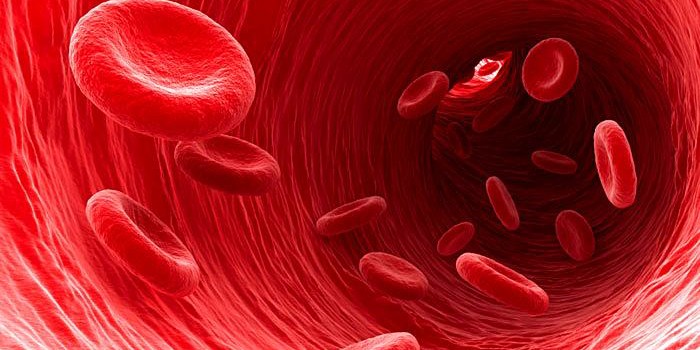
The campaign for keeping your blood healthy has been around for a decade when it was declared by former President Gloria Macapagal Arroyo in 2009 by virtue of the Proclamation No. 1833.
In its 10th year, we return to that day when awareness is of utmost importance on the diseases of the blood and the nutrients needed by the body to combat the illness.
It is important to know that every cell in the body has blood flowing in it to provide Oxygen and nutrients to every part of the body; and fight infections by removing wastes from the cell.
Why is it important to know the conditions of the blood?
Your total health is affected if something is wrong in your blood. Blood disorders can affect the functionality of the immune system. Some individuals may be affected by various blood conditions and blood disorders. Many Filipinos can be inadvertently affected by this if not guided by proper nutrition and environmental condition.
The most common blood illnesses include Anemia, Hemophilia and Leukemia. These conditions are experienced when the body lacks certain nutrients in the diet, side effects of medicines, complications of other diseases and genes.
Severe cases that had caused the blood disorders can be attributed to some factors such as:
- exposure to radiation
- exposure to chemicals
- cigarette smoking
- hair dyes
- family history of the same case
- genetic disorders such as down syndrome
For no apparent reasons, most of the people with blood disorders tend to experience a general feeling of being unwell which may include feelings of:
- unexplained tiredness
- repeated infections
- unexplained weight loss
- wounds that do not heal or are slow to heal
- shortness of breath
- dizziness or lightheadedness
- rapid heartbeat
- muscle weakness
- difficulty concentrating and remembering
- paleness
The treatment for blood disorder is both costly and stressful. Depending on the type of the disorder, the common treatments are as follows:
- iron supplements intake
- change of diet
- blood transfusions
For extreme cases there are:
- chemotherapy or bone marrow transplant
- replacement therapy for patients with hemophilia
- chemotherapy
- radiation therapy
- immune therapy
- stem cell therapy
- surgery
Maintaining a healthy and balanced lifestyle will help you keep your blood healthy. Old habits die hard and cannot be altered overnight. However, it is important to understand that boosting your health will let you produce good results in the end. Eating foods that are nutrient-dense and rich in iron, vitamin B-12, vitamin B6, vitamin A, and vitamin B-9 will help your blood function well. Start on these healthy treats:
- red meat
- organ meat
- beans, cereals
- tofu
- dark chocolate
- dark green leafy vegetables such as spinach, cabbage, kale and lettuce
- asparagus
- carrots
- tuna fish
- sweet potatoes
- bell peppers
- chicken
- banana
- tomatoes
- whole grains
- nuts
- green beans
- liver
- fish
- broccoli
- breads
- eggs
- dairy products like milk and cheese
These food are not only good for the blood but helps your immune system to function normally.
Healthier eating habits and adopting new lifestyle may protect you from blood related problems. Supporting the advocacy for Blood Disease Awareness will make you live longer and save you bucks from treatments and expensive procedures.