
Chin Up | The Path To Pull-Ups
Pull-ups are one of those exercises you hear about but always have a difficult time doing. Unlike the push-up, most people tend to misunderstand how to properly do a real pull-up. Today, let's talk about the proper way to do a pull-up and the benefits you can get from it.
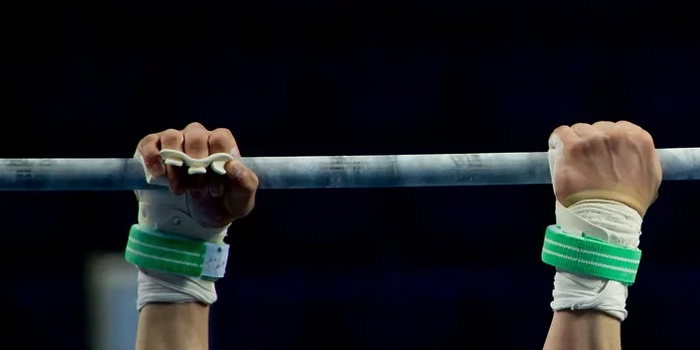
Everybody's done a push-up. A lot of people can probably brag about being able to do dozens of push-ups in a row. However, there are a fewer people who can do a single pull-up. Pull-ups may look easy, but they are one of the most easily misunderstood exercises. People think they can do it but immediately find their muscles screaming in pain after the third repetition. Today, let's take a look at how a proper pull-up should actually be done. In addition, we'll also talk about the benefits that pull-ups bring to your body.
What's a Pull-Up?
A pull-up, as the name suggests, is an exercise that involves pulling yourself up from a suspended bar. A pull-up is simple enough to do and easy to do anywhere. The part that a lot of people have trouble with is the execution of the exercise.
How to do a Pull-Up?
There are two kinds of pull-ups you can do, and it depends on the grip you choose. Each type of grip works out a different muscle group.
Chin-Up (Underhand Grip)
Chin-ups are typically done with a narrow grip. Your palms should be facing towards you during this exercise. From here, slowly pull yourself up using your upper arm strength. Stop when your head is above the bar.
Your elbows must be bent completely, and your knees should do the same. This balances out the weight and makes the pull-up easier. From here, slowly lower yourself down while keeping your knees bent as to not add any unnecessary recoil. A chin-up is meant to strengthen your forearms and biceps as the strain is put into your arms.
Pull-Up (Overhand Grip)
A pull-up is slightly different from a chin-up. Your hands should be slightly wider than shoulder-width. Your hands should be facing away from your face. From here, it's basically the same as with the chin-up. Slowly raise yourself up with your knees bent and feet touching the buttocks. After holding that position for a few seconds, slowly lower yourself again. Pull-ups are the more traditional form of exercise as it evens the stress between back and arm muscles. While this method will put more strain on your back, it will also lessen the strain on your arms.
Tips to Remember
- It's important to note that you should avoid kipping. Kipping is when you use recoil to raise yourself up. This does not give any significant advantage and may even make your pull-up sets pointless.
- Never just go lax. Keep your arms tense even while in the low position, as the goal is to improve muscle endurance and stamina. Going lax will relax your muscles and lead to your muscles straining faster.
Benefits of Push-Ups
- Pull-ups are the easiest and most versatile upper body exercise. A pull-up works out your back, arm muscles, chest, and core at the same time.
- It improves endurance and stamina immensely because pull-ups tend to be very intensive on the muscle groups you work on.
- It's easy to do almost anywhere with either a ledge or an overhanging bar. It's also not so complicated that you can mess up your form easily.