
Cleaning Fresh Fruits and Vegetables the Right Way
Knowing how to properly wash different types of fruits will keep your food tasting great and safe to eat
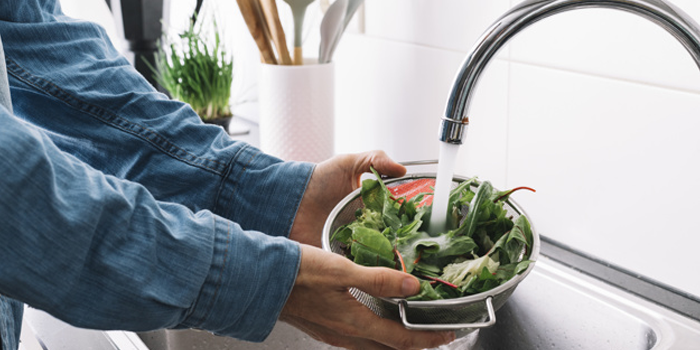
Cleaning the food that we consume is very important, not just the ones that we cook but also everything that we eat, including raw and fresh vegetables and fruits. According to the Centers for Disease Control and Prevention, at least 48 million people are affected by food contamination from harmful bacteria and germs every year.
Most people already know animal products must be handled carefully to avoid diseases, but it is also important to note, that produce, can cause outbreaks of foodborne illnesses as well. In the United States, there have been several large outbreaks of illness caused by contaminated fruits and vegetables in recent years. These cases include spinach, cantaloupe, tomatoes, and lettuce.
Here are a few of the important things to remember and consider.
Before and after handling fresh produce, wash your hands with hot water and soap for at least 20 seconds.
Always choose clean, undamaged fresh fruits. Damaged fruits can allow pathogens to enter the tissues and chlorine may not reach the pathogens.
Chlorine quickly loses its effectiveness when it comes in contact with dirt, organic matter and when exposed to air, light, or metals. Therefore, make sure all soil is removed before soaking the produce in the chlorine sanitizing solution and periodically check the level of sanitizer if you are washing a lot of vegetables.
Check water temperature. The temperature of the wash water and the chlorine sanitizing solution is also important. The wash and sanitizing water temperature should be slightly warmer (about 5 – 10 degrees) than the product to prevent water from being sucked inside the fruit or vegetable. If the water you use for washing is cooler than the vegetables, it can be absorbed into the tissues along with any bacteria present. Most of the fresh fruits and vegetables have a natural protective coating. So wash them with water just before you are ready to eat or cook them. If you wash them ahead of time, the spoilage will also speed up.
It is always best to wash vegetables and fruits is under running water. Special soaps, solutions, or even vinegar can leave an aftertaste. Don't kill bacteria or mold. Some examples of leafy greens are cabbage, kale, lettuce, Swiss chard, and pre-bagged greens like baby spinach.
Clean all leafy green vegetables, under cold running tap water. For lettuce and cabbage and other leafy vegetables, remove the outer leaves first. Wash leafy vegetables using a colander, drain, and pat dry with a paper towel. Store in clean paper towels or in a sealed plastic bag and put them in the fridge.
The Food and Drug Administration, meanwhile, listed down its recommendations on sanitizing your fruits and vegetables.
- Cutaway the damaged or bruised areas before preparing or eating if damage or bruising occurs before eating or handling.
- Make sure to rinse produce before you peel it to prevent dirt and bacteria from being transferred from the knife onto the fruit or vegetable. While holding the produce, gently rub it under plain running water.
- You can also use a clean vegetable brush to scrub firm produce, such as melons and cucumbers.
- Using a clean cloth or paper towel, dry produce to further reduce bacteria that may be present.
- It is ideal to store perishable produce inside the refrigerator with a temperature below 40 degrees.