
Cutting Carbs | Cauliflower Rice Facts
With over 279,000 posts on Instagram featuring #Cauliflower, there is no doubt that this dish is a trending healthy staple. Here are some facts you need to know about cauliflower rice.
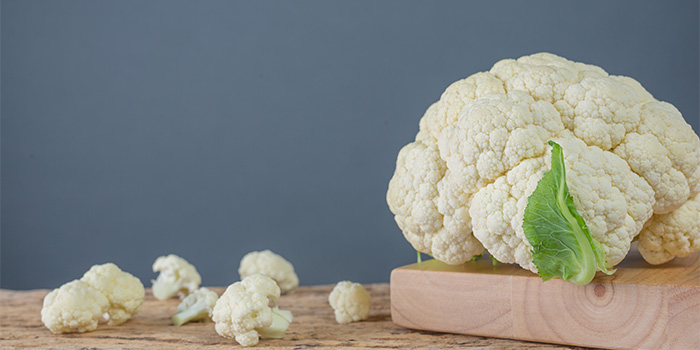
To lose a few pounds and decrease the risk of diabetes, many health-conscious people are cutting white rice on their meals and looking for rice alternatives such as cauliflower.
Cauliflower is often overlooked in favor of other healthy vegetables because of its bland appearance. It belongs to the plant species called Brassica Oleracea that is known to have tons of fiber and cancer-fighting nutrients. Like any other related vegetables like cabbage, kale, and broccoli, cauliflower is also a carbohydrate. What makes it stand out among others is that it is a non-starchy kind of vegetable that produces low amounts of naturally occurring sugar.
Cauliflower Rice Nutrition Facts:
Serving Size: 1 cup
- 27 calories
- 2.1g protein
- 5.3g carbohydrates
- 2.1g fiber
- 2g sugar
- 0g fat
- 53mg vitamin C
- 15% DV folate
- 18% DV vitamin K
- 15% DV vitamin B6
With over 279,000 posts on Instagram featuring #Cauliflower, there is no doubt that this dish is a trending healthy staple. In fact, making cauliflower rice takes only about ten minutes with these easy steps.
1. Cut the cauliflower into chunks including the cores.
2. Place the cauliflower chunks in a food processor.
3. Pulse for about 2-3 minutes or until it achieves that "rice texture" you prefer.
4. Season and lightly cook your cauliflower rice on a pan for about three minutes.
Do Not Boil The Nutrients
Cauliflower is known to be sensitive when being boiled. In fact, science showed that boiling this vegetable has the most negative effect on its nutritional content. This is because by boiling it, you are actually reducing the levels of its health-promoting compounds like flavonoids, carotenoids, and other antioxidants. Instead of boiling your cauliflower, steam it if you want to preserve the nutrients.
Prevents Digestive Conditions
Cauliflower is high in fiber that is beneficial for overall health. It is essential to the body since it feeds the healthy bacteria in the gut that helps reduce inflammation and promotes digestive health. In addition, according to a study published by the US National Library of Medicine - National Institutes of Health, consuming cauliflower may also help prevent obesity due to its ability to promote fullness and reduce overall calorie intake.
Reduces the Risk of Cancer
Cauliflower does not only aid in weight loss, but may also reduce the risk of developing some types of cancer due to its plant-based compounds, such as sulforaphane and indoles. The National Cancer Institute reveals in one of their studies that people who ate higher amounts of cruciferous vegetables like cauliflower have shown mixed results of its cancer-preventive effects.
Helps Diminish Memory Decline
Since cauliflower is known to be a great source of choline which is a B vitamin, it plays a significant role in memory and brain development. This is because of its positive effect on the brain's physical development through increased production of stem cells. Not only that, but cauliflower also helps with sleep, muscle movement, learning, and maintenance of the structure of cellular membranes.
Strengthens Bones
Vegetables that contain the best nutrients for your bones are surprisingly common. In fact, eating a cup of cauliflower rice is also a great way to nourish your bone's health. With 18% of Vitamin K for every cup of cauliflower rice, it can improve bone health by acting as a modifier of bone matrix proteins that also enhances calcium absorption.
In 2019, Nielsen reports an increase of 71% in cauliflower products alone. It is safe to say that this extremely healthy vegetable is continuously becoming more popular in the category of healthy alternatives and is considered as the new 'It' vegetable for this generation.