
Dengue: What You Need to Know and How to Stay Safe
Dengue fever is a growing threat, but with the right precautions, you can safeguard yourself and your loved ones. Learn how to prevent mosquito bites, eliminate breeding sites, and recognize symptoms before it's too late. Stay safe with these essential tips!
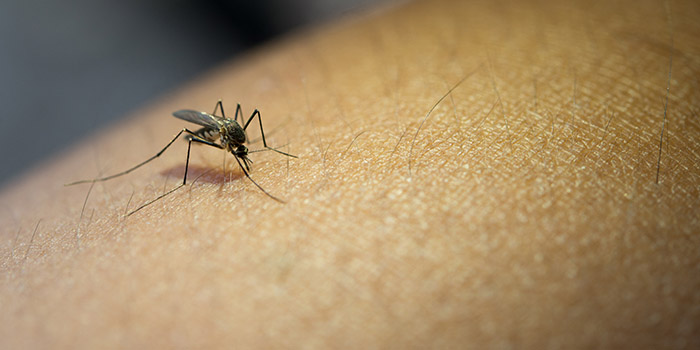
Dengue fever is a mosquito-borne illness that affects millions of people every year, especially in tropical and subtropical regions. With rising global temperatures and increasing urbanization, the risk of dengue is spreading to new areas, making awareness and prevention more important than ever. While dengue can be a serious illness, the good news is that there are simple and effective ways to protect yourself and your loved ones. Let’s break it down.
What is Dengue Fever?
Dengue is caused by the dengue virus, which is transmitted to humans through the bite of an infected Aedes mosquito—primarily Aedes aegypti. Symptoms of dengue can range from mild to severe and often include high fever, severe headaches, joint and muscle pain, rashes, and in some cases, bleeding or shock. There is no specific cure for dengue, but supportive care and early medical attention can help manage symptoms and prevent complications.
How to Reduce Your Risk of Dengue
Since there is no vaccine widely available for dengue in many countries, prevention is the best strategy. Here are some effective ways to lower your risk of exposure:
1. Eliminate Mosquito Breeding Sites
Aedes mosquitoes lay their eggs in stagnant water, so getting rid of potential breeding spots around your home is key. Be sure to:
- Empty and clean water containers, such as flower pots, birdbaths, and buckets, at least once a week.
- Cover or properly dispose of items that can collect rainwater, like old tires and unused containers.
- Keep gutters clean and free of debris to prevent water accumulation.
2. Use Mosquito Repellent
Applying insect repellent on exposed skin can help prevent bites. Look for repellents containing DEET, picaridin, or oil of lemon eucalyptus for long-lasting protection. If you're using sunscreen, apply it first and then put on repellent.
3. Wear Protective Clothing
When spending time outdoors, especially during peak mosquito activity hours (early morning and late afternoon), wear long-sleeved shirts, long pants, and socks. Light-colored clothing is best, as mosquitoes are more attracted to dark colors.
4. Use Mosquito Nets and Screens
If you live in or travel to a dengue-prone area, sleeping under a mosquito net can help reduce exposure. Installing screens on windows and doors is also an effective way to keep mosquitoes out of your home.
5. Stay Informed and Take Precautions While Traveling
If you’re planning to visit a dengue-endemic area, check health advisories before your trip. Carry insect repellent, wear protective clothing, and choose accommodations with proper mosquito control measures.
What to Do If You Suspect Dengue
If you experience symptoms of dengue, seek medical attention as soon as possible. Rest, stay hydrated, and avoid self-medicating with non-steroidal anti-inflammatory drugs (NSAIDs) like aspirin or ibuprofen, as they can increase the risk of bleeding complications.
Final Thoughts
Dengue is a preventable disease, and by taking a few simple precautions, you can significantly lower your risk. Protect yourself and your community by eliminating mosquito breeding sites, using repellents, and staying informed. A little effort goes a long way in staying safe and healthy!
https://www.who.int/news-room/fact-sheets/detail/dengue-and-severe-dengue
https://www.cdc.gov/dengue/prevention/index.html