
Exercise During Pregnancy | A Comprehensive Guide
Read on the following tips, guidelines, benefits, do's and don'ts, and safest ways to exercise while you are an expectant mother.
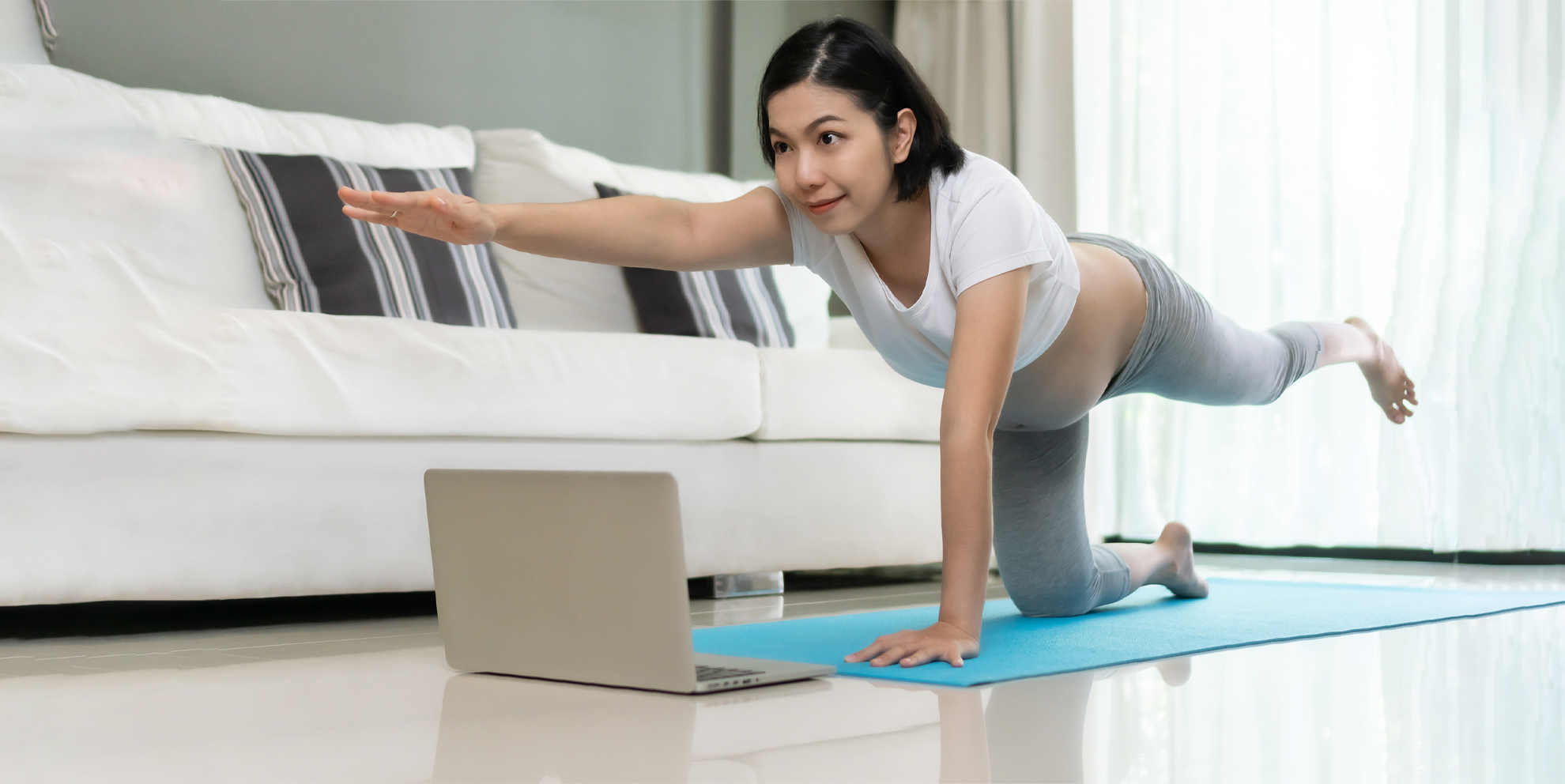
When you're pregnant, especially when that baby bump is already big, your instinct probably tells you that it's best to relax and not move much. You quickly get more tired, and your back's aching from your baby's weight.
However, it is an excellent time to be active — even if it's been a while since you last did it. Exercise is safe and helpful for both you and your baby.
To further convince you, the American College of Obstetrics and Gynecology suggests that pregnant women should exercise at least 30 minutes or more every day or on most days, if not all days of the week unless you have a pregnancy complication.
How Many Exercises Can You Do
If you are pregnant, you should have at least 150 minutes (2.5 hours) of moderate aerobic activity weekly. This means working out where you start sweating, and your heart rate raises.
A physically active woman before becoming pregnant can continue doing her activity moderately. Don't try achieving your former level, instead, opt for low impact exercises and the ones most comfortable for you. Light activities are encouraged.
For competitive athletes, consult a doctor, or a personal trainer, about starting any new activities or decreasing the intensity of workout gradually where it can be safe during pregnancy.
If you have never done exercise routinely, you can safely start an exercise course while you’re pregnant after asking advice from your healthcare provider. However, don’t try an exhausting activity. As a start, you can do simple as walking.
Who Can’t Exercise
For people who have a medical problem like asthma, certain lung and heart diseases, or diabetes, exercise may not be ideal. Moreover, it may also be detrimental if you have a condition related to pregnancy, such as the following:
- Bleeding or spotting
- Cervical incompetence
- Repeated miscarriage
- History of premature births or early labor
- Expecting twins or triplets with possible risk (preterm labor)
- Placenta previa succeeding pregnancy of 26 weeks
- Premature rupture of membranes (PROM)
- Preeclampsia
- Severe anemia
According to the American College of Obstetrics and Gynecology, here are the benefits, guidelines, exercises to do and to avoid, and warning signs when doing exercise.
Benefits of Exercising During Pregnancy
- Relieves back pain
- Boost your energy and mood
- Aids constipation
- Decreases risk of gestational diabetes, preeclampsia, and cesarean delivery
- Keeps you in good shape
- Improves your overall health
- Sustains your heart and blood vessels
- Helps you quickly lose baby weight once your baby is born
General Guidelines and Tips When Exercising During Pregnancy
- Drink much water before, during, and after exercise to avoid dehydration. If you're dehydrated, you will feel dizzy, have a faster heartbeat, and pee in small amounts or have dark yellow urine.
- Wear loose-fitting clothes and opt for a good sports bra as it helps reduce discomfort.
- Don't exercise too much to avoid being overheated. To prevent this, drink lots of water, and work out in a place under average temperature.
- When it's too hot or humid, don't exercise or stop doing it.
- Resist standing still or lying flat on your back as much as you can.
Safe Exercises During Pregnancy
- Brisk walking
- Swimming
- Light jogging
- Stationary cycling
- Modified yoga
- Modified pilates
Unsafe Exercises During Pregnancy
- Sports and other activities where you might experience abdominal pain or get hit such as boxing, ice hockey, basketball, soccer, and the like
- Skydiving
- Activities where you might slip or encounter great force like surfing, water skiing, snow skiing, gymnastics, outdoor cycling, and horseback riding
- Hot yoga and hot pilates
- Workouts at a high altitude
Warning Signs When to Stop Exercise
- Chest pain
- Bleeding or spotting
- Weak muscles
- Dizziness or fainting
- Headache
- Calf pain or swelling
- Persistent painful uterus contractions
- Shortness of breath before exercise
- Release of fluid from the vagina