
Facts behind Blood Donation
Blood donation is a curious way for some people to help others. It's quite common now, but there was a time when transferring one's blood to another person was considered black magic. Nowadays, it's become a necessary medical procedure to save lives. Today, let's discuss this topic in-depth.
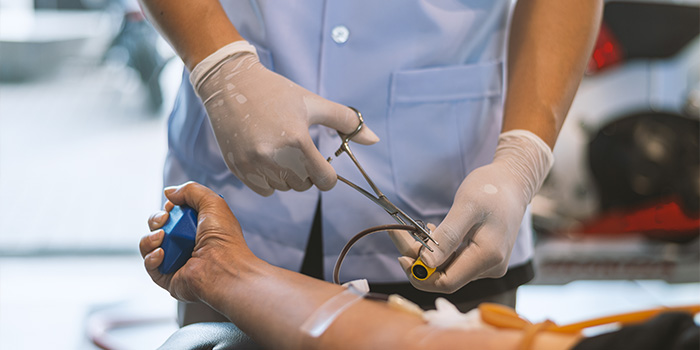
Donating blood is a fascinating way to help the sick. In the general view of human history, it's actually fairly recent. The first recorded instance of a successful blood transfusion was in 1665, by an English physician named Richard Lower. It wasn't even between two humans but between two dogs. Fast forward to modern-day, and there are now entire organizations based around the donation of blood. Some people even make a side income from being consistent blood donors. How exactly did giving blood become synonymous with non-profit organizations? What are the requirements you need to donate blood? How do you have a safe blood transfusion? Let's find out.
What is blood transfusion?
Blood transfusion is a medical procedure that involves the transfer of donated blood to a person who might need healthy blood. This is usually performed in the event of a seriously deep, open wound from an accident or surgery. It's also important for those suffering from anemia or types of cancer that cause heavy amounts of bleeding.
Benefits
The benefits of a blood transfusion stem from the fact that they replace either missing blood or "bad blood" that has been removed from the body. General health will improve for the patient if a blood transfusion is successfully done. People who may have had health issues before the blood transfusion may find that these same issues have either subsided or disappeared entirely. Of course, supervision is still necessary for a few days after the transfusion to see if it was truly successful.
Dangers
Blood transfusions, like any medical procedure, comes with the risk of complications that range from mild to severe. Mild complications include fever and itching. Severe complications include:
- Blood Infection: There are rare cases where transfused blood may contain formerly inactive diseases that went undetected during the screening of the donor. Diseases such as hepatitis and AIDS are the likely culprits.
- Graft-versus-Host: Mainly happens to patients with leukemia, transferred white blood cells will start attacking the bone marrow because it views it as a threat. It is a fatal disease due to it only occurring in patients with extremely weak immune systems.
- Hemolytic Reaction: When blood types don't match, the errant red blood cells are attacked by the immune system in your body. These errant red blood cells will release a certain substance that can prove harmful to your urinary system.
Requirements to be a Blood Donor
Blood donors are screened rigorously. After all, there is a lot of danger that could stem from a faulty blood transfusion. Generally, a person should be generally healthy (i.e., no irregularities with their blood or diseases), weigh 110 pounds at the very least, and must be of proper age to donate blood (usually 16, but it depends on the laws of your country). For minors, parental consent is usually required. Minors are not allowed to donate platelets.
You cannot be a blood donor if you:
- have sexually transmitted diseases or have had sex with somebody who does have an STD, even if your blood passed the test
- had a tattoo within the past year
- have used illegal drugs or anabolic steroids at some point
- lived in an area where a terrible disease was once an epidemic (i.e., Malaria, Zika, etc.)