
Health Benefits of Steaming Your Food
Steaming food is an interesting cooking method, as it requires no oil and only water. Let's talk about the health benefits of steaming your food.
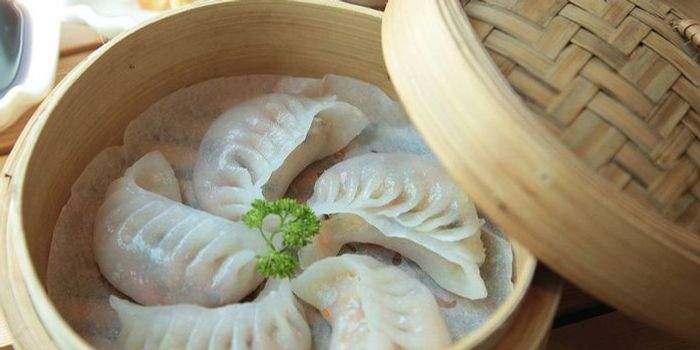
Throughout the history of mankind, one of the most important discoveries we've made was the ability to cook our food using heat. Back in ancient times, cooking may have been limited to piercing food on a stick then roasting it over a fire, but we've since discovered more and more methods to improve our food far beyond its raw state. Let's discuss one of Asia's most iconic cooking methods, steaming.
What is Steaming?
Steaming is a cooking method that uses moisture and hot vapors to gently cook the food over a moderate period of time. A steamer allows the vapors to reach a temperature of 212°F/100°C — at which point you just let the food sit until it's fully cooked.
Steaming, unlike a lot of other methods of cooking, does not require the use of any fat such as oils to conduct heat. The vapors cook the food all by themselves.
History of Steaming
It's believed that humans have been steaming food since at least the Stone Age. Early stoneware steam cookers have been discovered in China's Yellow River Valley, along with some of the world's first examples of steam cooking. Evidence also suggests the earliest form of steaming involved wrapping food in durable leaves and left in hot springs to cook. One could say these were the earliest evidence of humans making tamales!
However, the early non-prevalence of steaming in Western culture is mostly attributed to industrialization. Western countries' cooking methods reflected their constant search for new sources of fuel from their expeditions and expansions. Meanwhile, in the East — where fuel is more scarce, the gentler and far more practical steaming method was used.
What to Steam
Steaming is the perfect method to use for delicate food such as lean chicken meat, corn, carrots, potatoes, and dough. Of course, when you think of steamed food, the first dish that comes to mind is Chinese dumplings, or its Japanese cousin, gyoza. In Britain, some have even steamed biscuits and muffins!
Benefits of Steaming
Steam cooking is both healthy and versatile. Let's take a closer look at its benefits:
Low Cholesterol
Because steaming food does not require the use of oil, the food you prepare now contains significantly less cholesterol. Keep in mind that heart disease, high blood pressure, and undesirable weight gain have all been linked to bad cholesterol. As such, steaming food can help prevent these diseases.
Preserves Nutrients
Oil usually drains away nutrients from food and replaces them with fat and cholesterol. Steaming, on the other hand, helps preserve water-soluble B and C vitamins, zinc, phosphorus, and potassium, ensuring that essential nutrients are obtained from boiled vegetables. Steam cooking can also preserve approximately 90% of the antioxidants found in fresh vegetables.
Preserves Aesthetics
Steaming is a simple method of cooking that is remarkably easy to manage. Some of the risks of stir-frying vegetables are that they will burn and become bitter and dry, or that they will turn into a mushy vegetable paste. For its part, steaming allows you to retain the vegetable's color, structure, and texture while fully cooking it.
Convenient
Steaming is one of the simplest methods of cooking. It requires little supervision and is extremely difficult to overcook due to its gentle nature. Additionally, steaming requires only a steamer and no oil. This minimal requirement results in almost zero mess once you're finished, and easy cleaning, as there is no way for food to stick when you're done cooking.