
Hidden Invaders: Common Parasitic Infections in the Philippines
Parasites may be invisible to the naked eye, but their impact on health is undeniable. Learn about the most common parasitic infections in the Philippines and how simple steps can help protect you and your family.
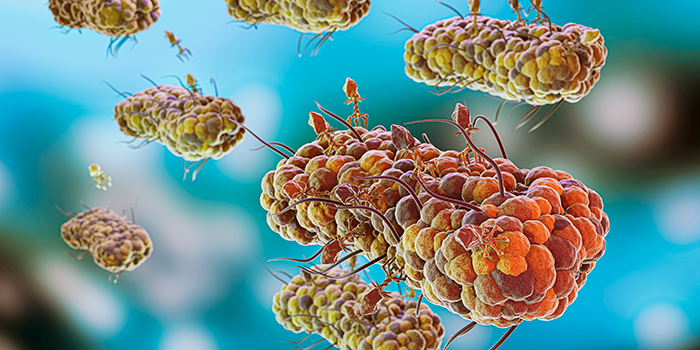
When we think about staying healthy, we often focus on eating nutritious food, exercising regularly, or managing stress. But one aspect of health that doesn’t get enough attention is the invisible threat of parasites. In the Philippines, parasitic infections remain a significant public health concern, especially in rural and underserved communities. These infections can quietly undermine well-being, particularly in children, by affecting growth, learning, and overall quality of life.
Soil-Transmitted Helminths (STH)
One of the most widespread parasitic problems in the country is soil-transmitted helminthiasis. This group of infections is caused by intestinal worms such as Ascaris lumbricoides (roundworm), Trichuris trichiura (whipworm), and hookworms. These parasites spread through contaminated soil, often when people walk barefoot, consume unwashed vegetables, or drink unsafe water. Children are particularly vulnerable, and chronic infections can lead to malnutrition, anemia, stunted growth, and impaired cognitive development.
Schistosomiasis
Another common parasitic disease in the Philippines is schistosomiasis, caused by the blood fluke Schistosoma japonicum. It thrives in freshwater areas where infected snails live. People can become infected while bathing, swimming, or farming in contaminated water. Schistosomiasis can damage the liver, intestines, and bladder, leading to long-term health complications if left untreated. Certain provinces, especially those with rice fields and irrigation systems, are considered endemic areas.
Amoebiasis and Giardiasis
Protozoan parasites such as Entamoeba histolytica and Giardia lamblia are also widespread. These organisms spread through contaminated food and drinking water, often in areas with poor sanitation. Infections can cause diarrhea, abdominal pain, and dehydration. While these illnesses can be treated, repeated infections increase the risk of malnutrition and weaken the immune system, particularly in young children.
Prevention and Control
The good news is that these infections are preventable. Regular deworming programs, promoted by the Department of Health and supported by schools, play a vital role in reducing worm burden among children. Improving sanitation, ensuring access to clean water, and practicing good hygiene—like handwashing with soap—are equally important. On an individual level, washing fruits and vegetables thoroughly, wearing footwear outdoors, and avoiding unsafe water sources can significantly reduce the risk of infection.
A Community Effort
Parasitic infections may feel like a distant issue if you live in a city, but they remain a reality for millions of Filipinos. These diseases don’t just affect individual health; they have ripple effects on education, productivity, and economic growth. Fighting parasitic infections requires a collective effort: government programs, school initiatives, and family practices all working hand in hand.
By recognizing the risks and taking simple steps to protect ourselves, we can outsmart these hidden invaders and move closer to a healthier Philippines.
World Health Organization. (2021). Schistosomiasis. Retrieved from https://www.who.int/news-room/fact-sheets/detail/schistosomiasis
World Health Organization. (2020). Intestinal parasitic infections. Retrieved from https://www.who.int/news-room/fact-sheets/detail/intestinal-parasitic-infections