
How to Combat Acne Breakouts from Wearing a Mask
Don't allow your skin to become a victim of the pandemic's consequences. Here are the tips on how to avoid and treat "maskne" or acne breakouts from wearing a mask.
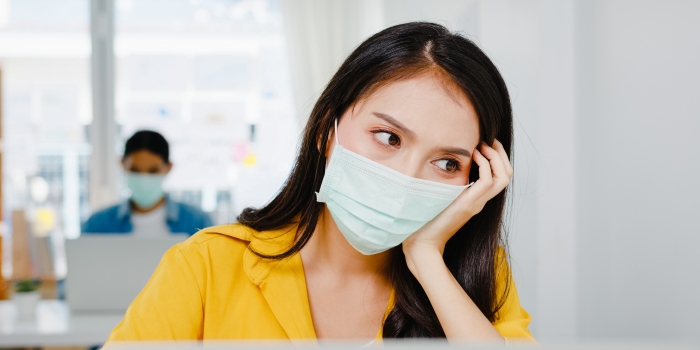
As we all observe the safety protocols to protect ourselves and those around us from the spread of the coronavirus, face masks are now essential. In our country, the use of face masks and face shields is mandatory not just for enclosed buildings (such as malls, supermarkets, and offices) but in public places as well.
Although it is an essential component to slow down the transmission of the virus, wearing a mask can still have consequences on your skin.
What is Mask Acne?
Mask acne, also popularly known as maskne is a type of skin irritation that occurs as a result of wearing a face mask. This type of skin reaction can be triggered by a variety of different factors and refers to any of the following:
- Acne - caused by clogged pores induced by oil, dirt, and dead skin cells.
- Contact Dermatitis - an allergic reaction or sensitivity to the mask's material. It’s characterized by a red rash that is irritated and blistered.
- Rosacea - a skin condition that results in facial redness and visible blood vessels. Wearing a mask can result in flare-ups, which can also eventually lead to pimples.
- Folliculitis - occurs when an infection spreads to the skin's hair follicles. This results in itchiness or pain in the form of red bumps that resemble acne.
How to Prevent Acne Breakouts from Wearing Your Mask?
Because it may still take some time before we go out in public without the protection of our masks, we'll just have to find a way to work around our acne breakouts for now. Here are several tips for preventing and treating maskne:
Wash Your Face Regularly
Even throughout this pandemic, it's still important to maintain your regular skincare routine in order to keep your skin healthy. This includes facial cleansing once in the morning and once at night. If you have sweated or have worn a mask, make sure to wash your face again.
Wash your face with a gentle cleanser. As much as possible, avoid cleansers containing alcohol or fragrances. These ingredients may further irritate your skin and make it more difficult for your symptoms to heal. With a clean towel, pat your skin dry. Refrain from rubbing your skin, as this may also irritate it further.
Moisturize Before Wearing a Mask
After cleansing your face, moisturize your skin to keep it hydrated. The moisturizer acts as a barrier between your skin and the mask. Using oil-free and non-comedogenic, products (those specifically formulated not to block or clog pores) will reduce the risk of oily skin and breakouts. Board Certified Dermatologist Dr. Yoram Harth recommends layering a light, water-based moisturizer underneath your mask.
Take a Break from Your Mask
To provide a “break” for your skin, the American Academy of Dermatology Association recommends removing your mask every four hours and leaving it off for approximately 15 minutes.
Take note though, that you should only remove your face mask in secure areas (at home or in a place where you are alone) and in accordance with physical distancing regulations. Remember to wash and sanitize your hands before removing your mask.
Use Products with Salicylic Acid
Salicylic acid is beneficial not only for keeping your face (and mask) clean but also for treating and preventing acne. Salicylic acid sprays are popular because they can be effective at unclogging pores and preventing lesions, even when used on milder acne.
Dermatologists and skin experts recommend using facial pads pre-soaked with 2% salicylic acid before and after wearing a mask.
Conclusion
While we await the end of the coronavirus pandemic, we accept that face masks will remain an integral part of our daily lives for still some time. As such, knowing how to prevent and treat acne breakouts from wearing masks can help us maintain the health of our skin, while still ensuring the safety of those around us.