
How to Deal with Eczema
Because this skincare condition doesn’t have a cure yet, living with eczema can be burdensome. But through proper skin care, its symptoms can be managed.
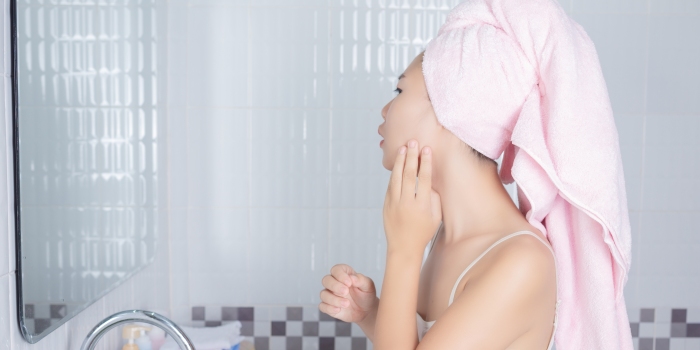
Life can be difficult if you have eczema. The constant itching and visible redness of the skin can be both burdensome and worrying. It also doesn’t help that there is no cure yet for eczema. Nevertheless, there are certain things you can do to manage the symptoms and make the situation a little bit more bearable.
What is Eczema?
Also called atopic dermatitis, eczema is characterized by itchy and inflamed patches of skin. It's common in babies and young children but can also manifest itself in a number of ways in adults.
Eczema is a skin condition suffered by people who do not have enough ceramides in their skin. Ceramides are lipids or fats that help our skin lock in moisture, which also prevents skin dryness and irritation. Eczema may also be aggravated by various trigger factors. These include certain types of foods (like citrus fruits and dairy) and chemicals such as those in soaps and detergents.
If you’re wondering whether you can get eczema from another person, it’s not contagious. It can, however, spread to different parts of the body, and scratching the skin can only aggravate the condition.
Treatment
Atopic dermatitis can last a long time. To manage it, you may need to try a variety of treatments throughout several months or years. Your doctor may prescribe a corticosteroid cream or ointment to relieve itching and aid in skin repair. They can also recommend an antibiotic cream or oral drugs, depending on the severity of inflammation.
What to Do
To help alleviate the itchiness and redness, here are some things that you could do:
- Limit your time in the bath - Take a shorter shower or bath. Water can strip natural oils from the skin and cause it to feel dry. Ideally, baths and showers should last no more than 10 to 15 minutes.
- Try a bleach bath - To help prevent flare-ups, the American Academy of Dermatology Association recommends a bleach bath. A diluted bleach bath inhibits the growth of bacteria on the skin and other types of infections. Fill a 40-gallon (151-liter) bathtub with warm water. Then add 1/2 cup of household (not concentrated) bleach.
- Moisturize Your Skin - Because the primary cause of the problem is dry skin, it can only be alleviated by keeping the skin properly moisturized. After taking a shower or washing your face, make sure to apply a moisturizer.
- Increase the use of vitamin E - Vitamin E has anti-inflammatory and antioxidant properties that help to significantly soothe eczema. Therefore, keep an eye out for this ingredient when purchasing an eczema treatment cream. Take note, however, that it is advisable not to go overboard, as this can result in toxicity. Also, make sure to consult your physician prior to using vitamin E if you are currently taking any medications.
- Use Products with Hyaluronic Acid - Due to its incredible hydrating properties, hyaluronic acid is gaining a lot of attention. It contains hydrating agents that moisturize the skin deeply which can be beneficial in soothing eczema.
- Identify and avoid the triggers - Sweat, soaps, dust, detergents, and pollen are all things that can aggravate the skin reaction. As such, reduce the amount of time you're exposed to the causes of your eczema.
What NOT to Do
If you're unsure of the cause of your eczema outbreaks, it’s best to avoid these common trigger factors.
- Don't use harsh soaps - Soaps typically leave your skin drier than it was before. Choose a soap made specifically for sensitive skin — one that contains mild, gentle cleansers that do not strip the skin of its natural moisturizing factors. If possible, switch to soap-free shampoos and cleaning products.
- Don't use skincare products with perfumes or fragrances - Fragrance can be an allergen, so choose fragrance-free and scent-free soaps and skincare products.
- Don't use products with alcohol - Numerous products, such as anti-bacterial cleansing gels, facial creams, and wipes contain a high concentration of alcohol. It’s best to avoid these because alcohol dehydrates the skin.
- Don't take hot showers - Eczema can be aggravated by hot temperatures. And the heat can intensify the itchy, prickly sensation that people who suffer from eczema are all too familiar with. It can also make you sweat, which attracts bacteria and other harmful chemicals to your skin.
Ultimately, eczema is a skin condition whose origins are not yet fully understood. Nonetheless, it's believed to be caused by an overactive immune system that reacts aggressively to irritants. Aside from noting the precautions above, make sure to consult with a dermatologist, allergist, or primary care physician who will assist you in determining the best eczema treatment for you.