
Hyperuricemia: What It Is and How to Avoid It
High uric acid doesn’t just cause painful gout attacks—it can also sneakily harm your kidneys and heart. Learn how simple diet and lifestyle tweaks can keep hyperuricemia away and protect your long-term health.
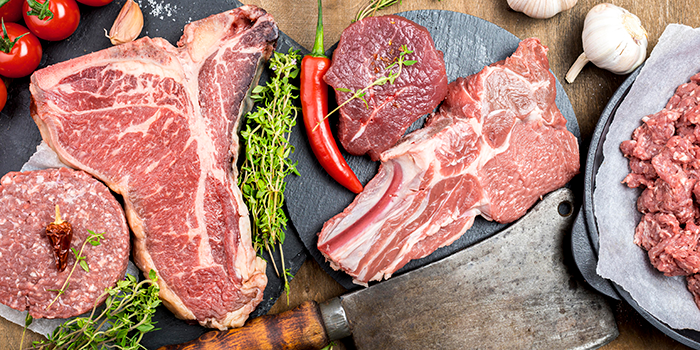
When we think of lifestyle-related health problems, conditions like diabetes or hypertension often take the spotlight. But there’s another silent issue affecting many people—hyperuricemia, or elevated levels of uric acid in the blood. Left unchecked, this condition can lead to gout, kidney stones, and even cardiovascular complications. The good news? With the right lifestyle habits, hyperuricemia can be managed and, in many cases, prevented.
What is Hyperuricemia?
Uric acid is a natural by product of purine metabolism. Purines are substances found in certain foods (like red meat, seafood, and alcohol) as well as naturally occurring in our cells. Normally, uric acid dissolves in the blood and is excreted by the kidneys. But when the body produces too much uric acid—or when the kidneys can’t eliminate it effectively—it builds up in the bloodstream. This condition is called hyperuricemia.
Not everyone with hyperuricemia develops symptoms, but for some, uric acid can crystallize in the joints, causing painful gout attacks. It can also contribute to the formation of kidney stones and is increasingly linked with metabolic syndrome and heart disease.
Who is at Risk?
High uric acid levels can sneak up on anyone—but some people are more likely to be affected. Here’s what can raise your risk:
- Eating purine-rich foods like red meat, organ meats, and shellfish
- Drinking alcohol, especially beer and spirits
- Sugary drinks with high-fructose corn syrup
- Being overweight or having metabolic issues
- Certain medications, like diuretics
- Family history of kidney problems
Men are more commonly affected than women, though the risk in women rises after menopause.
How to Prevent Hyperuricemia
The key to prevention lies in a combination of dietary choices, lifestyle habits, and medical awareness. Here are some practical steps:
- Eat Smart
- Limit purine-rich foods like organ meats, red meat, and shellfish.
- Reduce consumption of sugary beverages and processed foods high in fructose.
- Favor low-fat dairy, vegetables, and whole grains.
- Incorporate vitamin C-rich fruits, which may help lower uric acid levels.
- Stay Hydrated
Drinking enough water helps flush out uric acid through the kidneys. Aim for at least eight (8) glasses a day, more if you are physically active or in hot weather. - Maintain a Healthy Weight
Excess weight increases uric acid production and reduces its excretion. Sustainable weight loss through balanced diet and exercise can significantly lower risk. - Limit Alcohol
Alcohol, particularly beer and liquor, impairs uric acid elimination. If you do drink, keep it moderate and pair it with water. - Stay Physically Active
Regular movement not only supports weight management but also improves insulin sensitivity, which is linked to better uric acid control. - Know Your Numbers
If you have risk factors or a family history of gout, ask your doctor about monitoring your uric acid levels. Early detection allows for preventive strategies before symptoms arise.
The Takeaway
Hyperuricemia doesn’t have to lead to painful gout flares or kidney issues. By adopting mindful eating habits, staying active, and keeping an eye on your health, you can lower your risk significantly. Prevention is always easier than treatment—and in the case of hyperuricemia, small daily choices can make a big difference in protecting your long-term health.
Li, Y., Hou, Y., Chen, J., Luo, Z., & Jiang, X. (2021). Nonpharmacological management of gout and hyperuricemia: lifestyle and nutritional interventions. Clinics in Rheumatic Diseases Perspectives, 17(3), e1259-e1267.