
Nothing Beats the Benefits of a Healthy Diet!
Take a closer look at how the food you eat can either be the safest and most powerful form of medicine or the slowest form of poison. Dig in!
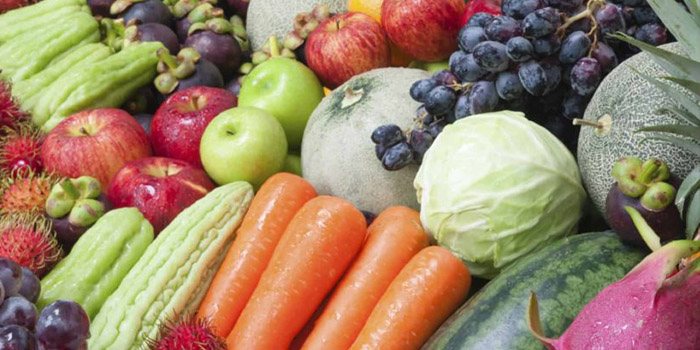
We must eat food to survive, and that’s because our bodies demand energy to carry out all of life’s biological processes.
This energy comes from the nutrients we get from the digested food we eat. Building upon the 5 Food Groups as seen on Shape Your Future, a dedicated Health Resource of the Oklahoma State Department of Health, we share with you how the food you eat shapes your health.
Fruits and Vegetables
These two food groups are essential because of their indispensable level of nutrients for your body to work properly. Including these in your diet will provide your body with all the necessary fiber, vitamins, and minerals needed for optimum health.
There are a variety of ways to enjoy delicious & healthy fruits and vegetables—fresh, frozen, or canned. Of course, if you have access to fresh produce, this will always be the best choice. If canned ones are your option, however, be sure to select items that are low in sugar, sodium, and fat because these can be harmful to the body when consumed in large amounts.
Whole Grains
Your health has a lot to gain from grains — especially whole grains. Unlike other grains, whole grains contain the entire grain kernel, which is packed with fiber, iron, and vitamin B. These nutrients help keep your heart healthy by lowering the amount of cholesterol in your blood. Too much cholesterol can clog your blood vessels, which puts more pressure on your heart. Plus, whole grains make you feel fuller with fewer calories. They are also packed with folate (or folic acid), a vitamin B essential to a healthy pregnancy.
Whole grains include foods like:
- Brown rice
- Oatmeal
- Whole wheat bread
- Whole wheat pasta
- Whole wheat tortillas
- Whole wheat flour
Protein
Proteins build, maintain, and replace the tissues in your body—like your muscles, organs, and immune system. They also play a key role in your metabolism, which means how your body converts what you eat and drink into energy.
When selecting proteins, choose ones low in saturated fat and cholesterol, and try to eat at least eight (8) ounces of seafood per week, too.
Proteins include:
- Beans
- Black-eyed peas
- Eggs
- Lean meat and poultry
- Unsalted nuts and seeds
- Seafood (fresh, frozen, or canned)
- Tofu
Low-Fat Dairy
Dairy plays a big role in the health of adults and children. For kids, consuming dairy everyday helps build bone mass as their bodies grow and develop. For adults, dairy helps maintain healthy bones and reduces the risk of osteoporosis (weak and fragile bones). When selecting dairy products, choose ones low in saturated fat. Low-fat dairy is still filled with calcium and nutrients, but with fewer calories.
How do you eat better? Choose foods that are high in vitamins, minerals, fiber, and other healthy ingredients—and low in saturated fat, sodium, and added sugar.
Remember to fill half your plate with fruits and veggies at every meal, choose whole grains and low-fat dairy, and vary your protein intake. Simple changes to the way you eat can lead you to a healthier body.