
Play Smart: How to Avoid Injuries When Playing Sports
Regular exercise keeps you healthy, but one wrong move can leave you sidelined for weeks. Discover simple, practical ways to prevent common sports injuries so you can stay active, perform better, and enjoy your favorite activities safely.
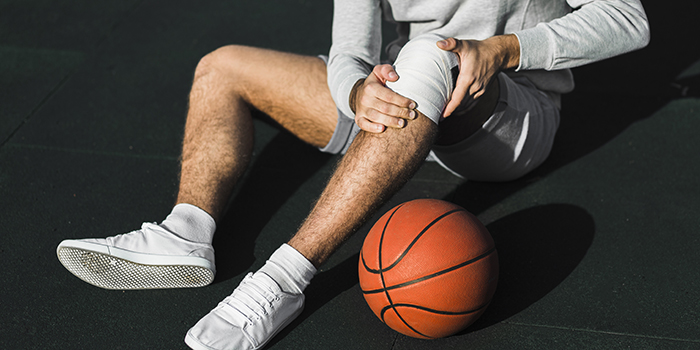
Whether you're playing basketball with friends, joining a weekend fun run, or training for your favorite sport, staying active is one of the best things you can do for your health. Sports improve cardiovascular fitness, strengthen muscles and bones, and even reduce stress. However, every physical activity carries some risk of injury. The good news is that many sports-related injuries can be prevented with the right habits.
One of the most important ways to avoid injury is by warming up before you start. A proper warm-up increases blood flow to your muscles, improves flexibility, and prepares your body for movement. Instead of jumping straight into intense activity, spend five to ten minutes doing light aerobic exercise followed by dynamic stretches, such as leg swings or arm circles. After your workout or game, cool down with gentle movements and static stretches to help your muscles recover.
Using the correct equipment is another key factor in staying safe. Wear shoes designed for your specific sport, as they provide the support and traction your body needs. Protective gear such as helmets, mouthguards, shin guards, or knee pads should always be used when recommended. Although they may seem inconvenient, these items can significantly reduce the risk of serious injuries.
Good technique also plays a major role in injury prevention. Learning the proper way to run, jump, throw, or lift can reduce unnecessary strain on your muscles and joints. Beginners should consider learning from a qualified coach or instructor, while experienced athletes should continue refining their skills to avoid developing bad habits over time.
Many people assume that pushing through pain is a sign of dedication, but ignoring discomfort can make a minor problem much worse. Pain is often your body's warning signal. If you experience persistent pain, swelling, dizziness, or difficulty moving a joint, stop the activity and allow yourself time to recover. Returning to sports too soon after an injury increases the chance of getting hurt again.
Rest is just as important as training. Your muscles, tendons, and ligaments need time to repair after exercise. Scheduling rest days and varying your activities throughout the week helps prevent overuse injuries caused by repeating the same movements over and over. Staying hydrated and eating a balanced diet rich in protein, healthy carbohydrates, vitamins, and minerals also supports muscle recovery and overall performance.
Finally, know your limits. It is tempting to match the pace of teammates or friends, but everyone's fitness level is different. Gradually increasing the intensity and duration of your workouts allows your body to adapt safely while reducing the likelihood of strains, sprains, and stress injuries.
Sports should be enjoyable and beneficial for your health—not something that sidelines you because of preventable injuries. By warming up properly, using the right equipment, practicing good technique, listening to your body, and allowing enough time for recovery, you can continue enjoying the physical and mental benefits of sports while staying safe for years to come.
American Academy of Pediatrics. (2023). Sports injuries. https://www.healthychildren.org/English/healthy-living/sports/Pages/Sports-Injuries.aspx
American College of Sports Medicine. (2021). ACSM's guidelines for exercise testing and prescription (11th ed.). Wolters Kluwer.
Centers for Disease Control and Prevention. (2024). Sports injury prevention. https://www.cdc.gov/safechild/sports_injuries/index.html