
Preventing Food Contamination
We can enjoy good food with our loved ones when it's properly handled and not contaminated. Read on these tips on how you can reduce the risk of food poisoning at home.
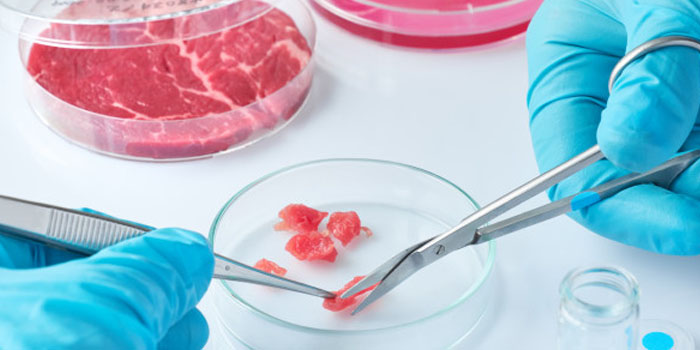
Without a doubt, food contamination is a serious public health problem worldwide. The World Health Organization (WHO) claims it as a global challenge because it causes illness among many, and has caused countless deaths. Nonetheless, food contamination is something that can be avoided if we maintain high safety standards for food handling.
Why is food safety important?
The WHO reported that 1.8 million people die each year due to diarrhea caused by contaminated food and water. In addition, the Department of Health stated that diarrhea and gastroenteritis are also listed among the top 10 causes of children's deaths, especially those ages one to four.
Because of this, it is essential that we are careful of all the meals that we consume and those that we serve our family. Whether you are at home or eating in a restaurant, food contamination can be prevented if hygienic practices are being observed. Read on for the proper steps to ensure food safety at all times:
1. Practice cleanliness at all times
Cleanliness should not be solely focused on the food items, but also on one's personal hygiene. You must keep your hands clean before, during, and after preparing and eating meals. Wash your hands with soap and water especially after touching the trash can, going to the bathroom, sneezing, or petting animals.
Ensure that all surfaces, places, tools, and equipment involved in food preparation are clean. Wash and cleanse everything thoroughly. Doing so will prevent any potentially harmful microorganisms from infecting the materials to be used.
2. Separate raw from cooked food
The juices of fresh food – poultry, meat, and seafood – often carry unsafe microorganisms. As such, there's a high probability of transferring microbes to the other food during and after food preparation. Therefore, we should separate these (or dispose of them properly) to avoid cross-contamination.
Moreover, utensils used every day in preparing raw food such as knives and cutting boards should be sanitized at all times. If possible, have another set of tools for cutting cooked food items, or different types of food.
3. Cook food well
Thorough cooking is one of the best ways to "kill" all possible bad microorganisms in raw food. To do this successfully, keep a temperature of 70 degrees Celsius when cooking food to guarantee that it is safe to eat.
When cooking soup, boil the water properly and make sure it reaches the required temperature. Meanwhile, when preparing meat, be sure it's thoroughly cooked, not pinkish in color. Using a thermometer can be helpful with this.
According to the WHO, we need to pay special attention when cooking large joints of meat, minced meat, and poultry.
4. Store food at safe temperatures
Sometimes, microorganisms can spread quickly at room temperature. The safest way for storing food is by maintaining temperatures between below 5 degrees Celsius and beyond 60 degrees Celsius so it can be slowed down and stopped.
Keep food in a refrigerator if it is not to be consumed within two hours. Avoid leaving food, (especially cooked and perishable food) at room temperature for more than two hours.
5. Use safe water and raw materials
If you think your water is unsafe, treat it first by either boiling or passing it through filters. You should also check if fresh fruits and vegetables have molds or bruises. When these are only minimal, remove them by cutting those parts. Lastly, avoid consuming expired food. Those foods past their expiry date should be discarded.