
Rainbow of Health | The Meaning of Vegetable Colors
Green, red, purple or white, it's pretty clear that vegetables are good for you. However, is it true that certain colors are healthier than others? Or is eating the rainbow of veggies out there the correct path to follow? Let's find out.
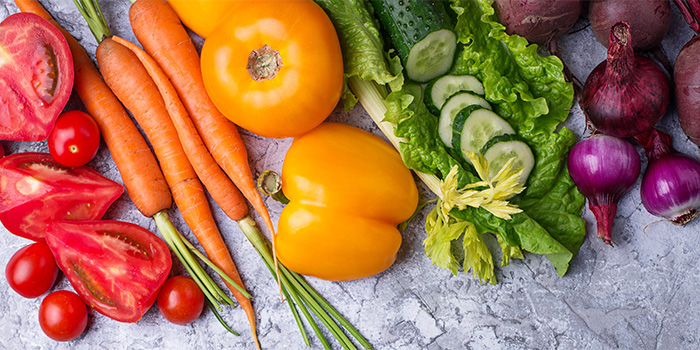
As every health site inevitably does, it's time to discuss vegetables. There are a lot of articles out there that talk about the benefits of specific vegetables, maybe even on this very newsletter. While getting into the specific benefits of certain vegetables is important, sometimes it's good to take a broader look across the color spectrum. In fact, in recent years, instead of saying "you should eat more reds or greens", experts are saying that you should eat the rainbow (of vegetables, not Skittles). In this article, we'll be taking a look at the colors of vegetables and what health benefits are present for each color.
Why does the vegetable's color matter?
A vegetable's color is basically a signal flare for what kind of vitamins, minerals, and other nutrients you can find in them. Each color is caused by chemical pigments that each contain different nutrients.
Great Greens
Chlorophyll is what causes the green tint of these veggies. Greens are usually thought by some to be the "healthiest" vegetable. Truthfully speaking, no color of vegetables is healthier than another. To compare different colors of vegetables is like comparing apples to oranges, except, in this case, it's tomatoes and bell peppers. The reason greens are usually recommended is that it contains a lot of iron, and people don't get enough iron in their diets. Examples include:
- Broccoli
- Lettuce
- Cabbage
- Peas
- Spring Onion
Radiant Reds and Opulent Oranges
Carotenoids are the pigment responsible for this vegetable's colors. Red and orange vegetables contain lots of vitamins, particularly A and C. Yes, there are carotenoids in carrots, it's a fun coincidence. Vitamin A is what's responsible for maintaining healthy eyesight while vitamin C acts as an antioxidant. In fact, vegetables offer a denser amount of vitamins per serving than most fruits, and without those pesky sugars! Examples include:
- Squash
- Pepper
- Bell Pepper
- Red Tomato
Beautiful Blues and Pleasant Purples
Anthocyanin is what makes these dark-colored veggies so different from its brighter siblings. They are powerful antioxidants and have been continuously linked to lowering the risk of heart disease. It's also one of the top ways to reduce oxidative stress on the body. The blue group actually has the least amount of examples, mainly because it's so rare in vegetables, but much more common with fruits. Most purple fruits are bred purposefully. Examples of vegetables that can be bred into purple variants are:
- Eggplant
- Cabbage (Purple)
- Asparagus
- Pepper
- Carrot
Wonderful White
White vegetables don't have any particularly strong pigments, hence their lack of color. In fact, most people don't really see white vegetables to be as healthy as the other colors. However, that simply isn't true. White vegetables are still an important aspect of your diet. After all, a rainbow still has white in there. The strength of white vegetables is that they tend to be filling and offer another source of protein for those on a low meat diet. Examples include:
- Potato
- Cauliflower
- Onion
- Garlic
- Turnip
Conclusion
At the end of the day, the most important advice you can get from this is that you should strive to eat the rainbow of vegetables every day. There's no single wonder food that can help you get fit immediately. The key to maximizing the effects of the rainbow vegetable diet is balance.