
Rainy Days and Runny Noses: Staying Healthy When the Weather Turns Wet
Rainy days might feel cozy, but they can bring more than just cool weather—they're a hotspot for illnesses. Discover how to stay healthy and dry when the downpour starts and the germs come out.
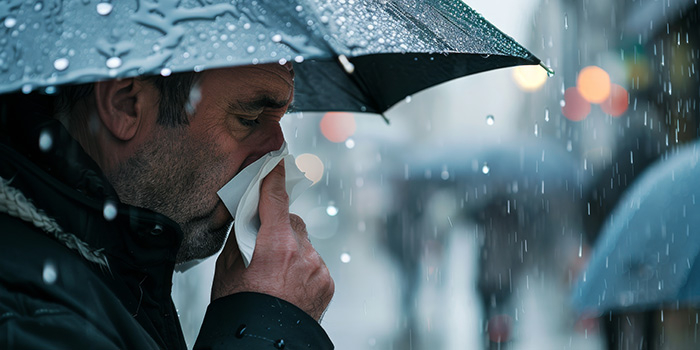
When the skies go grey and the rain starts to pour, there’s something comforting about curling up with a hot drink and watching the world get soaked. But while the rainy season can bring much-needed relief from the heat, it also opens the door to a host of health problems that thrive in damp, crowded, and cold conditions.
From sniffles and sore throats to full-blown infections, the rainy months are peak season for a variety of illnesses. But here’s the good news: many of these health issues are preventable with just a bit of extra care and awareness.
The Usual Suspects: Common Rainy Season Illnesses
1. The Cold and Flu
These classic rainy season companions spread quickly, especially in enclosed spaces like classrooms, offices, and public transport. The cooler weather makes us more likely to huddle indoors, which makes it easier for viruses to pass from person to person. And contrary to the old myth, it’s not the rain itself that causes illness—it’s the viral exposure, often combined with a slightly weakened immune system from temperature changes and disrupted routines.
2. Dengue and Other Mosquito-Borne Diseases
Standing water is the perfect breeding ground for mosquitoes, especially Aedes aegypti, the main vector for dengue. Outbreaks tend to spike during and after heavy rains, so if you notice puddles or water collecting in pots or containers, make it a habit to drain them regularly.
3. Leptospirosis
This is a lesser-known but serious bacterial infection transmitted through water contaminated by animal urine (often rats). Walking through floodwaters with open cuts or wounds can increase your risk—so waterproof boots aren’t just a fashion statement, they’re smart protection.
4. Fungal Infections
The damp and humidity can also irritate the skin, leading to fungal infections like athlete’s foot or buni (tinea corporis). These thrive in moist environments, especially if you’re walking around in wet socks or not drying off properly after a shower.
Your Rainy Season Survival Guide
As the rain begins to pour more often, so do the risks of illness and discomfort. But with a few simple habits, you can keep your health in check even on the gloomiest days. Here’s how to ride out the rainy season in tip-top shape:
- Keep your immune system in check. Eat well, get enough sleep, and try to squeeze in some regular movement—even just stretching or a quick bodyweight routine indoors can help.
- Hydration still matters. Just because it’s cooler doesn’t mean you need less water. Dehydration can sneak up on you in the rainy season, especially if you're drinking more coffee or tea to stay warm.
- Stay dry and warm. Change out of wet clothes as soon as possible and don’t sit around in damp socks or shoes. Bring an umbrella, raincoat, and maybe a spare shirt if your commute tends to get splashy.
- Boost your hygiene game. Wash your hands frequently, especially after being in public spaces. And don’t share towels or personal items during this time—fungal spores are sneaky.
- Check your surroundings. Clear drains, dispose of garbage properly, and don’t let water collect in your home or backyard. It only takes a small puddle for mosquitoes to move in.
The rainy season doesn’t have to mean sick days and soaked socks. With some proactive habits and a little planning, you can enjoy the coziness of rainy days without the health hangover. Stay safe, stay dry, and don’t forget your vitamin C!
De La Salle University Medical Center. (2020, July 17). Common rainy-day illnesses [Health advisory]. De La Salle University Medical Center. Retrieved June 12, 2025, from https://www.dlshsi.edu.ph/dlsumc/health-advisory/common-rainy-day-illnesses