
Root Crops: Nutritious Staples That Deserve a Place on Your Plate
Think healthy eating is all about expensive superfoods? Root crops like sweet potatoes, cassava, taro, and ube are nutritious, affordable staples packed with energy, fiber, vitamins, and minerals that can support your health every day.
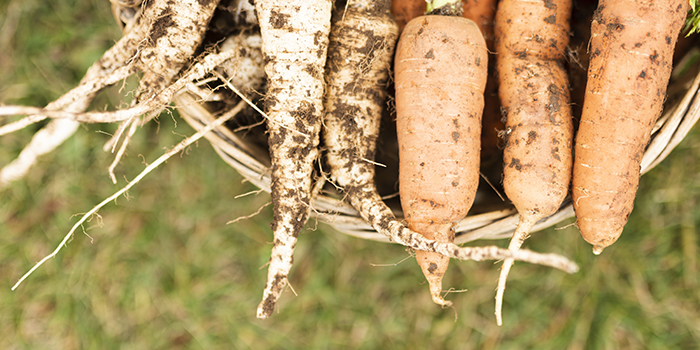
When people think of healthy foods, leafy greens and colorful fruits often come to mind first. However, root crops have long been a staple in many cultures because they are affordable, versatile, filling, and packed with nutrients. In the Philippines, familiar root crops such as sweet potato, cassava, taro (gabi), purple yam (ube), and yam (ube or tugi, depending on the variety) have been enjoyed for generations. Beyond their comforting taste, these foods can contribute to a balanced and healthy diet.
One of the greatest benefits of root crops is that they are excellent sources of complex carbohydrates. Unlike sugary snacks that provide a quick burst of energy followed by a crash, complex carbohydrates are digested more slowly, helping provide a steadier source of energy throughout the day. This makes root crops a great choice for students, workers, and anyone with an active lifestyle.
Many root crops are also rich in dietary fiber, an important nutrient that supports digestive health. Fiber helps promote regular bowel movements, supports a healthy gut microbiome, and contributes to a feeling of fullness after meals. This can help reduce overeating and support healthy weight management when combined with a balanced diet and regular physical activity.
Different root crops also offer unique vitamins and minerals. Sweet potatoes, particularly the orange-fleshed varieties, are rich in beta-carotene, which the body converts into vitamin A. Vitamin A plays an important role in maintaining healthy vision, supporting the immune system, and promoting normal growth and development. Potatoes provide vitamin C and potassium, while taro contains potassium and magnesium that help support normal muscle and nerve function. Purple root crops such as ube contain natural plant compounds called anthocyanins, which give them their vibrant color and have antioxidant properties.
Another advantage of root crops is their versatility in the kitchen. They can be boiled, steamed, roasted, baked, mashed, or added to soups and stews. Choosing healthier cooking methods instead of deep-frying allows you to enjoy their nutritional benefits while limiting excess fat and calories. Pairing root crops with lean protein sources such as fish, chicken, beans, or tofu, along with plenty of vegetables, creates a balanced and satisfying meal.
Despite their health benefits, root crops are sometimes misunderstood because they contain carbohydrates. In reality, carbohydrates are the body's preferred source of energy. The key is portion control and choosing minimally processed forms rather than heavily sweetened or fried preparations. For most healthy individuals, root crops can fit well into a nutritious eating pattern.
People with diabetes do not necessarily need to avoid root crops altogether. Instead, they should pay attention to portion sizes and combine these foods with protein, healthy fats, and fiber-rich vegetables to help reduce rapid increases in blood sugar. Consulting a healthcare professional or registered dietitian can help create a meal plan that meets individual health needs.
Root crops remind us that healthy eating does not always require expensive or exotic ingredients. Many nutritious foods are already part of our local cuisine. By preparing them in healthy ways and enjoying them as part of a balanced diet, root crops can provide lasting energy, valuable nutrients, and delicious meals for the whole family.
Food and Agriculture Organization of the United Nations. (1990). Roots, tubers, plantains and bananas in human nutrition. FAO. https://www.fao.org/4/t0207e/t0207e00.htm
Slavin, J. L. (2013). Fiber and prebiotics: Mechanisms and health benefits. Nutrients, 5(4), 1417–1435. https://doi.org/10.3390/nu5041417
U.S. Department of Agriculture & U.S. Department of Health and Human Services. (2020). Dietary Guidelines for Americans, 2020–2025 (9th ed.). https://www.dietaryguidelines.gov