
The Benefits and Uses of Lavender Oil for Your Health
Are there truths to all these touted benefits of the lavender essential oil? What does science have to say regarding this popular key ingredient?
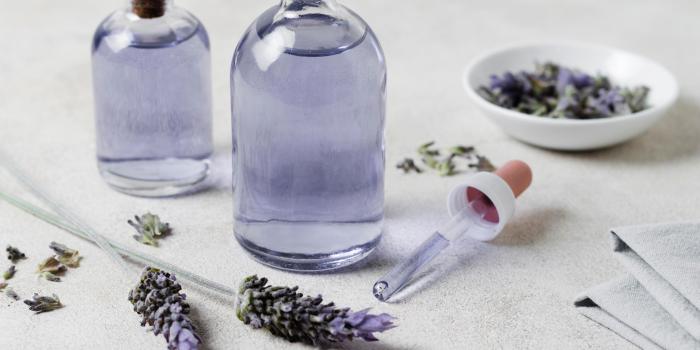
Nowadays, people are looking into a more natural approach to their health needs. Among the products gaining such popularity are essential oils. Whether they are marketed in pure form or as key ingredients in other products (such as skin care, aromatherapy, or even food), they have always been touted with various impressive health benefits.
As consumers, it’s important to look into these claims and see whether they are backed by modern-day research. In this article, let’s take a look at one of the most popular and versatile essential oils: lavender oil.
What is Lavender Oil?
Lavender oil is derived from steam distilling the lavender plant. The highest quality essential oil is made only of fresh lavender flowers and no other part of the plant.
As a plant, lavender thrives in dry, rocky, sandy terrain and this can be found in various parts of the world. Among the countries where lavender grows, Bulgaria, France, and China are the biggest producers of lavender oil.
The Benefits and Uses
Because of the wide availability of the lavender plant, its uses are likewise abundant. You may have seen it included in candles, lotions, gels, soaps, shampoos, and sprays. From medicinal and odorous to cosmetic uses, there’s an obvious demand for lavender products.
To know whether these products should really be effective, let’s take note of the following science-backed benefits of lavender oil:
Skin Health
There have been several studies that suggest lavender works to kill bacteria and could be effective in combating antifungal-resistant infections. These properties show that lavender can then help prevent and heal acne breakouts, soothe eczema and dry skin, and may even be used to treat psoriasis. In addition, because of its anti-inflammatory properties, it’s said that lavender can also reduce discoloration and redness on the skin.
Anxiety and Sleep Aid
A recent study revealed that one of the compounds in lavender (linalool), had similar effects on the brain as common anxiety medications. There are also more studies that suggest aromatherapy or an aromatherapy massage with lavender oil improves anxiety.
Wound-healing
Researchers have found that lavender oil promotes the healing of skin tissue through its transforming growth factor (TGF-β). Therefore, it has been recommended to help heal burns, cuts, scrapes, or types of wounds.
Pain Reliever
Lavender’s anti-inflammatory components, linalyl acetate, and linalool help the oil function as a pain reliever. Another study also stated that plants containing polysaccharide molecules (such as lavender) are “the most potent in curing inflammatory diseases. These include arthritis and rheumatism. Other research also looked into its effectiveness as a remedy for postoperative pain, labor, and menstrual cramps.
What It Does Not Treat
While all these research studies paint a promising picture of the potency of lavender essential oil, scientists still believe that more studies are needed.
For now, there is still no sufficient evidence that lavender oil can be effective against diseases such as Alzheimer’s, cancer, high blood pressure, osteoarthritis, and complications after childbirth. More research is also necessary to conclusively determine whether the oil can help in patchy hair loss, canker sores, lice, and ear infections.
Nonetheless, with its many uses for treating the skin and its anti-inflammatory properties, lavender oil can be a helpful natural remedy. Make sure to use this essential oil with caution and in proper dilution. Should you experience any side effects (such as a skin rash) discontinue use and talk to a doctor.