
The Evolution of Plastic Surgery: Advancements Shaping Health and Wellness
Discover how cutting-edge advancements in plastic surgery are transforming lives! From revolutionary 3D imaging and robotic-assisted procedures to groundbreaking reconstructive techniques, explore the latest innovations that are making surgeries safer, more effective, and enhancing overall well-being. Dive into the future of health and wellness through the lens of modern plastic surgery.
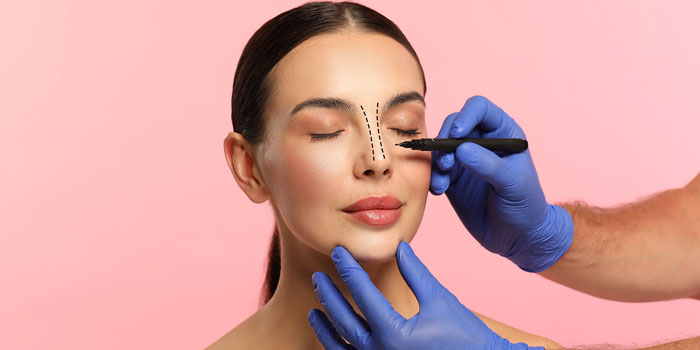
Plastic surgery has come a long way from its early days, transforming not just appearances but also lives. While often associated with cosmetic enhancements, the field of plastic surgery encompasses a wide range of procedures that address medical, reconstructive, and aesthetic needs. Recent advancements in technology and techniques have significantly improved the safety, effectiveness, and accessibility of these procedures. Let’s dive into the latest developments in plastic surgery and how they’re making a positive impact on health and wellness.
The Role of Technology in Modern Plastic Surgery
One of the most exciting advancements in plastic surgery is the integration of cutting-edge technology. Innovations like 3D imaging and printing, robotics, and laser treatments are revolutionizing the field.
- 3D Imaging and Printing: Before undergoing surgery, patients can now see a three-dimensional representation of the expected results. This not only helps in setting realistic expectations but also aids surgeons in meticulous planning. 3D printing has taken this a step further by creating custom implants and surgical guides, ensuring a perfect fit and reducing the risk of complications.
- Robotic Surgery: Robotic systems are enhancing precision and control in surgical procedures. With the ability to make tiny, accurate movements, these systems minimize tissue damage and reduce recovery time. Robotic-assisted surgeries are becoming increasingly common in procedures like hair transplants, facial reconstructions, and breast augmentations.
- Laser Treatments: Laser technology is being used for a variety of non-invasive and minimally invasive procedures. From skin resurfacing to fat reduction, lasers offer a safer alternative to traditional surgical methods. They reduce the risk of scarring, infection, and other complications, making them a popular choice for patients seeking quick recovery and minimal downtime.
Innovations in Reconstructive Surgery
Reconstructive surgery, a crucial aspect of plastic surgery, focuses on restoring function and appearance to parts of the body affected by trauma, illness, or congenital conditions. Recent advancements are making these life-changing procedures more effective and accessible.
- Tissue Engineering and Regenerative Medicine: One of the most groundbreaking areas in reconstructive surgery is the use of stem cells and tissue engineering. Scientists are developing ways to grow new tissue, which can be used to repair or replace damaged areas. This technology is particularly promising for burn victims and individuals requiring complex reconstructions.
- Microsurgery: Microsurgery involves using specialized instruments and techniques to perform surgery on a very small scale, such as reconnecting blood vessels and nerves. Advances in this field have made it possible to perform intricate procedures with higher success rates, benefiting patients undergoing breast reconstruction, hand surgery, and facial reanimation.
- Nerve Regeneration: New methods for nerve repair and regeneration are improving outcomes for patients with nerve damage. Techniques like nerve grafts and the use of bioengineered scaffolds are helping to restore sensation and function in affected areas, offering hope to those who have suffered from debilitating injuries.
Cosmetic Surgery: More Than Just Aesthetics
While cosmetic surgery is often viewed through the lens of vanity, it plays a significant role in enhancing mental health and overall well-being. The latest advancements are making these procedures safer and more effective, with a focus on natural-looking results.
- Minimally Invasive Procedures: The trend towards minimally invasive techniques continues to grow, with procedures like Botox, fillers, and non-surgical facelifts gaining popularity. These treatments offer subtle enhancements with minimal downtime, making them accessible to a broader audience.
- Fat Grafting: Also known as fat transfer, this technique involves taking fat from one part of the body and injecting it into another area to enhance volume and contour. It’s a versatile procedure used for facial rejuvenation, breast augmentation, and body contouring, offering a natural alternative to synthetic implants.
- Advanced Skin Treatments: From chemical peels to microdermabrasion and laser resurfacing, advanced skin treatments are helping people achieve healthier, more youthful skin. These procedures can address a range of issues, including acne scars, sun damage, and fine lines, boosting confidence and self-esteem.
Conclusion
The field of plastic surgery is continuously evolving, driven by technological advancements and a deeper understanding of human anatomy and regenerative medicine. These innovations are not only enhancing the aesthetic outcomes but also improving the quality of life for countless individuals. Whether it’s through reconstructive surgery that restores function and confidence or cosmetic procedures that boost self-esteem, the impact of plastic surgery on health and wellness is profound.
As we look to the future, the ongoing research and development in this field promise even more exciting possibilities. With a commitment to safety, ethics, and patient-centered care, plastic surgery will continue to play a vital role in promoting health and well-being.