
The Keto Diet: A Closer Look
The Keto Diet is currently trending in all the health circles. Let's talk about this latest health trend, and whether or not it can work for you...
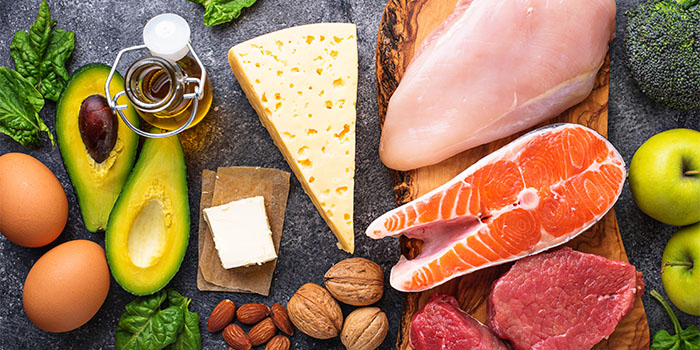
Some of you may have heard of the keto diet, and how it's catching rave reviews from health and fitness circles. It’s supposedly a “lose lots of weight fast” miracle diet plan that promotes healthy living by limiting carbs and using your fat as a resource. Many have sung its praises, while others claim it might be harmful to those trying to lose weight. Today, let’s find out what keto diet really is.
What is Keto Diet?
Let’s talk about the first part of that phrase. Keto.
Keto is short for Ketosis, which is a body process that occurs when your body does not have the necessary carbs to sustain energy. Instead, it looks for the second-best source for energy which is all that stored up fat in your body. Ketosis converts the fat into substances called ketones, which become your body’s new source of fuel.
Now let’s combine that with diet.
The Keto Diet is a high-fat, normal-protein, low-carbohydrate diet:
High-Fat: Carbohydrates are limited in your diet, which means you have to use another source of energy. You can skip this part of the diet if you feel you are already overweight because your body can already use the existing fat as a fuel source.
Normal-Protein: Protein is the most important macronutrient in your body. You’ll be ingesting the normal amount of proteins required for your body because the purpose of the keto diet isn’t purely to build muscle but improve overall protein growth. Proteins aren’t limited to just muscles, because every part of the body is built up by proteins. A normal intake of protein is necessary for your body to stay firm and strong while undergoing this diet.
Low-Carb: While you can’t take carbohydrates completely out of your diet, you can limit it to the point it no longer becomes the primary source of energy for your body, thereby making fat the primary resource.
What kind of food can you expect in this diet?
What You Can't Eat
- Sugar (in general)
- Grains, such as oatmeal, pasta, and rice
- Low-fat dairy products such as yogurt and skimmed milk
- Beans
- Peas and lentils
- Peanuts
- Carbonated drinks such as soda
- Salty junk food (potato chips and crackers)
- Fruits except for zesty ones such as lemons or certain types of berries
- Starch in general (wheat, flour, potatoes, corn, etc.)
- Processed foods (hotdogs, canned meats, etc.)
- Alcohol
These foods are all rich in carbohydrates, and while they are healthy enough for normal diets, they are a huge no-no in the keto diet. The caveat to the keto diet is that once you undergo ketosis, it can easily be slowed or even halted entirely once you reach a high enough number of carbs in your body. It’s a very strict diet in terms of what you can’t eat.
What You Can Eat
- Seafood
- Meat
- Eggs
- Leafy, green vegetables
- High-fat dairy (butter, cheese, fat milk, etc.)
- Nuts
- Berries
- Black coffee
- Broths
All of these foods are high in protein and/or fat, but low in carbs. This makes them perfect for the keto diet. The keto diet is not easy and it is not for everyone. If you are diabetic or have any medical conditions which are severely affected by your diet, then always consult a medical expert before you make any plans on starting this diet. However, despite its possible dangers, the keto diet has shown more positive results in regard to weight loss than many other modern diets. Do your research and see if this diet is for you.