
The Repercussions of Self-Medication and DOH's Public Warning
Filipinos are huge practitioners of self-medication. However, this can do more harm than good, especially with the use of antibiotics.
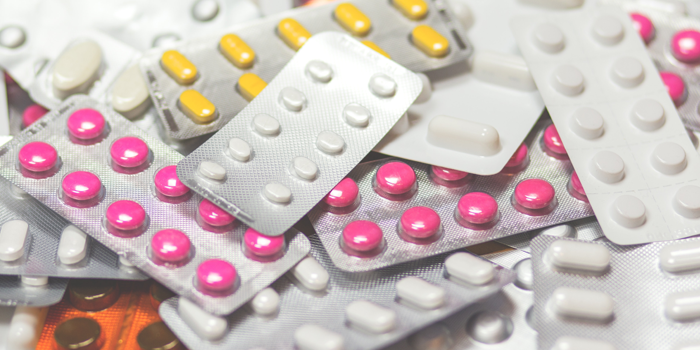
Self-medication is practiced in different parts of the world. Ever since the beginning, man has adapted himself into the environment, from food hunting and gathering to keeping himself warm (fire), up to finding ways to heal themselves
The Philippines is not an exception to this. We tend to practice self-medication from using over-the-counter drugs in the market to going to quack doctors for the treatment of serious illnesses. The act of self-medication is still embedded in our culture. However, not everyone realizes the repercussions of doing it until it's too late.
The Department of Health (DOH) continues to warn Filipinos not to self-medicate. Campaigns about this are ongoing, but does everyone know its roots? This article delves into the practice of self-medication, the factors affecting its use, and its negative effects.
Self-Medication
Self-medication is the practice of taking over-the-counter drugs or medications without a doctor’s referral. Instead of having proper consultation, an individual acts as his own physician and self-medicates without knowing the deeper cause of his illness.
It is common to take over-the-counter drugs for mild illnesses such as common colds, headache, and stomachache. However, the use of antibiotics without a doctor's recommendation may have adverse effect on the body.
The Practice of Self-Medication in the Country
Ever since we were young, our parents tend to turn to immediate medications for common illnesses. At home, we can find common household brands such as Diatabs or Imodium for LBM, Biogesic or Bioflu for headache, Neozep for colds, Solmux for cough, and the likes. For body pains, we turn to Efficascent oils or Salonpas to ease muscle pain, especially back pain. We either take antihistamine or pull out our White Flower oil whenever we feel dizzy on road trips. Whatever the sickness is, we always have instant remedy for it.
The Factors Affecting this Practice
Self-medication isn't just prevalent in the Philippines, but in different countries as well. The National Institutes of Health in the US states the different factors that contribute to the practice of self-medication, such as:
- Minimal knowledge of the sickness. When acquiring illnesses, Filipinos either associate it with the weather (rainy season for coughs and colds, dry seasons for skin rashes, etc.) or just dismiss it as a mild one (it’s just a stomachache, it will go away; I just need Salonpas for this back pain, etc.). On rare occasions, some think of it as a repetition of a previous illness (I had this one before, this medication usually works for me).
- Financial and time constraints. Going to the doctor surely costs time and money. One has to sacrifice lunch breaks or take out sick leave for a whole day just to go to a nearby clinic. Then comes the consultation, then the laboratory tests if needed, then the medication. These may be shouldered by a person’s HMO or Medical Insurance Plan if he has one. Medications alone may add to their financial burden, especially when it comes to serious illnesses.
- Accessibility to both medications and clinics. The case is different in the rural provinces and the lower-income majority in the country. Not only don’t they have the luxury of time to go to clinics for their illnesses, but they don’t have the resources as well for the medications which the doctor will require them. Some even have to go to farthest cities for the most accessible clinic for the treatment. Depending on the capacity of the clinic or their available resources, they may be refused treatments as well.
Negative Effects of Self-Medication
As a result, self-medicating individuals, especially with serious illnesses, take risks in practicing this, such as:
- Inaccurate diagnosis and advice
- Side effects from inappropriate use of drugs
- Accidental overdose from inaccurate doses
- Drug abuse, which may lead to addiction
- Possible death
The Government's Advice to the Public
The DOH continues its effort to campaign against self-medication through thorough warnings to the public and raising awareness of its effects. This is to address to the World Health Organization's warning about the lessening effect of antibiotics and other antimicrobial to sicknesses. Such an occurrence is called antimicrobial resistance.
With this, Filipinos are advised to seek professional consultation from a nearby clinic, whether one feels a mild pain or discomfort in the body. A proper consultation helps in saving someone from further dangers and in living a healthier life.
'Self-Medication: A Current Challenge'
https://www.ncbi.nlm.nih.gov/pmc/articles/PMC4012703/
'The Dangers of Self-Medicating'
https://www.philstar.com/the-freeman/cebu-lifestyle/2017/09/17/1740272/dangers-self-medicating
'Factors Associated with Parental Self-medication of Antibiotics in Health Centers of Manila'
https://knepublishing.com/index.php/Kne-Social/article/view/2427/5332
'Don't Self-Medicate, DOH Warns Public'
https://news.mb.com.ph/2018/11/21/dont-self-medicate-doh-warns-public/