
Unlocking the Power of Essential Amino Acids: Your Guide to Nutritional Vitality
Unlock the secrets to optimal health with essential amino acids! Discover how these vital nutrients can boost muscle repair, support your immune system, and enhance your overall well-being. Dive into our guide on the best food sources to ensure you're getting all the essentials your body needs to thrive.
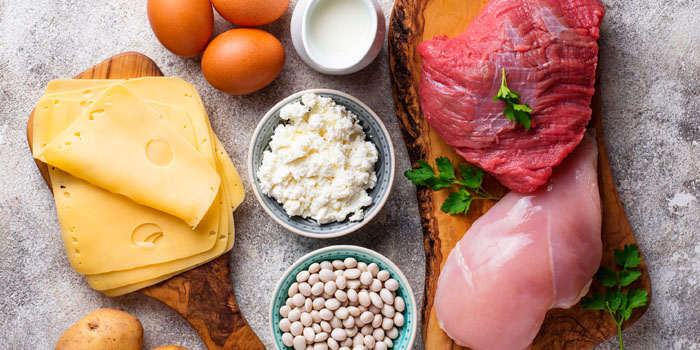
In our quest for a healthy lifestyle, we often hear about the importance of vitamins and minerals, but what about amino acids? These little molecules are the building blocks of proteins, and among them, essential amino acids (EAAs) play a crucial role in our health. Unlike other amino acids, our bodies cannot produce EAAs, so we need to get them from our diet. Let’s dive into what these amino acids are, why they matter, and the best food sources to keep you thriving.
What Are Essential Amino Acids?
Amino acids are organic compounds that combine to form proteins. They are vital for processes such as tissue repair, nutrient absorption, and enzyme production. Out of the 20 amino acids our bodies need, nine are classified as essential:
- Histidine
- Isoleucine
- Leucine
- Lysine
- Methionine
- Phenylalanine
- Threonine
- Tryptophan
- Valine
These EAAs must come from food because our bodies cannot synthesize them. Each one plays a unique role, contributing to overall health in various ways.
The Benefits of Essential Amino Acids
Muscle Health and Repair
EAAs, particularly leucine, isoleucine, and valine (known as branched-chain amino acids or BCAAs), are vital for muscle protein synthesis. They help repair and build muscle tissue, making them essential for anyone engaged in physical activity.
Immune System Support
Histidine and lysine are crucial for maintaining a strong immune system. They contribute to the production of antibodies and other immune cells that protect the body against infections.
Hormone Production
Phenylalanine is a precursor for the production of neurotransmitters like dopamine, norepinephrine, and epinephrine, which are essential for mood regulation and stress response.
Metabolic Function
Methionine and threonine play roles in metabolic processes, including fat metabolism and the synthesis of other vital compounds.
Top Food Sources of Essential Amino Acids
Animal-Based Sources
- Meat: Beef, chicken, pork, and lamb are rich in all nine EAAs, making them complete protein sources.
- Fish and Seafood: Salmon, tuna, shrimp, and other seafood are excellent sources of EAAs, along with healthy omega-3 fatty acids.
- Eggs: Often dubbed a “perfect protein,” eggs contain all the essential amino acids in the right proportions.
- Dairy Products: Milk, cheese, and yogurt provide EAAs along with calcium and other important nutrients.
Plant-Based Sources
- Quinoa: This pseudo-cereal is one of the few plant-based foods that provide all nine EAAs, making it a complete protein.
- Soy Products: Tofu, tempeh, and edamame are rich in EAAs and versatile for various recipes.
- Legumes: Beans, lentils, and chickpeas are great sources of several EAAs, particularly lysine. Pairing them with grains can create a complete protein profile.
- Nuts and Seeds: Almonds, walnuts, chia seeds, and flaxseeds offer essential amino acids, healthy fats, and fiber.
Combining Foods for a Complete Protein
For those following a vegetarian or vegan diet, it’s important to combine different plant-based foods to ensure you’re getting all nine EAAs. For example, combining rice and beans, hummus and pita, or peanut butter on whole grain bread can create a complete protein.
Practical Tips for Incorporating EAAs into Your Diet
- Balanced Meals: Ensure each meal contains a good mix of protein sources. A salad with quinoa and chickpeas, or a stir-fry with tofu and vegetables, can go a long way.
- Snacking Smart: Keep nuts, seeds, and dried edamame handy for a quick protein boost.
- Variety Is Key: Rotate your protein sources to cover all your amino acid needs and enjoy a range of nutrients.
- Cooking in Batches: Prepare large batches of protein-rich foods like beans, lentils, and quinoa. They store well and can be added to various meals throughout the week.
Conclusion
Essential amino acids are indeed essential for a reason. They support muscle health, immune function, hormone production, and metabolism. By incorporating a variety of EAA-rich foods into your diet, you can ensure your body gets the nutrients it needs to function optimally. Whether you're a meat-eater, vegetarian, or vegan, there are plenty of delicious and nutritious options to explore. So next time you plan your meals, remember to think about those mighty amino acids and how they can help you live a healthier, more vibrant life.