
Vaccines: Your Body’s Best Defense Against Illness
Want to protect yourself and your loved ones from serious illnesses without getting sick? Vaccines are one of the best tools we have to stay healthy. In this article, we’ll break down how vaccines work, bust common myths, and explain why they’re essential for personal and community health.
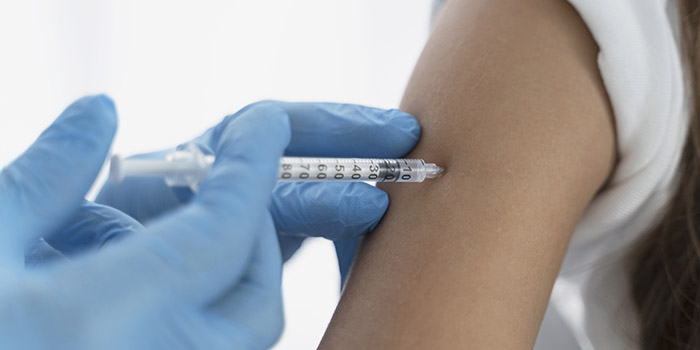
Vaccines are one of the most effective tools we have to protect ourselves and our communities from harmful diseases. They’ve been around for centuries and have saved countless lives by preventing illnesses like smallpox, polio, measles, and more. But how do they actually work? In this article, we’ll break down the basics of vaccines, why they’re so important, and how they help keep you healthy.
What is a Vaccine?
A vaccine is essentially a training program for your immune system. Normally, when a virus or bacteria enters your body, your immune system jumps into action to fight off the invader. It does this by producing special proteins called antibodies, which are designed to target and destroy specific pathogens (the germs that cause diseases). Once your immune system has successfully fought off a disease, it "remembers" how to protect you from it in the future.
A vaccine helps your body learn how to defend itself against a disease without you actually having to get sick. It contains either a dead or weakened form of the pathogen, or even just parts of it, like proteins. When you get vaccinated, your immune system reacts to the vaccine as though it’s encountering the real disease. It creates antibodies and learns how to fight the pathogen if you’re ever exposed to it in the future. So, even though you didn’t actually get sick, your body now knows how to protect itself.
Different Types of Vaccines
There are several different types of vaccines, and they work in slightly different ways. Here’s a quick rundown of the main ones:
- Inactivated Vaccines: These vaccines contain a virus or bacteria that has been killed. The immune system still recognizes it as a threat and creates antibodies, but since the pathogen is dead, it can’t cause disease. Examples include the flu shot and the polio vaccine.
- Live-attenuated Vaccines: These vaccines use a weakened form of the virus or bacteria. Because the pathogen is weakened, it won’t cause serious illness, but it’s still strong enough to teach your immune system how to fight it. Examples include the measles, mumps, and rubella (MMR) vaccine.
- Subunit, Recombinant, Polysaccharide, and Conjugate Vaccines: Instead of the whole virus or bacteria, these vaccines contain only a part of the pathogen, like a protein or sugar. This is enough to trigger the immune response without using the entire organism. Examples include the HPV and whooping cough vaccines.
- mRNA Vaccines: A more recent innovation, mRNA vaccines don’t use a piece of the virus or bacteria at all. Instead, they deliver instructions (messenger RNA) to your cells, teaching them how to make a protein that will trigger an immune response. This is how the COVID-19 vaccines from Pfizer and Moderna work.
How Vaccines Protect Communities
One of the amazing things about vaccines is that they don’t just protect the person who gets the shot—they protect entire communities. This concept is known as herd immunity. When a large percentage of the population is vaccinated, the spread of a disease is slowed down or even stopped. This helps protect people who can’t get vaccinated, like newborns, elderly people, or individuals with weakened immune systems.
For herd immunity to be effective, a certain percentage of the population needs to be vaccinated. The exact percentage varies depending on the disease, but for something highly contagious, like measles, around 95% of people need to be vaccinated to prevent outbreaks.
Common Myths About Vaccines
Unfortunately, there’s a lot of misinformation about vaccines out there. Let’s clear up a couple of the most common myths:
- Myth - Vaccines can make you sick: This is one of the most common concerns, but it’s not true. Most vaccines contain dead or weakened pathogens that can’t make you sick. Some people might experience mild side effects like a sore arm or a low fever after getting vaccinated, but these symptoms are usually short-lived and are a sign that your body is building immunity.
- Myth - Vaccines cause autism: This myth has been thoroughly debunked by numerous scientific studies. Vaccines do not cause autism. The idea that they did originated from a flawed and discredited study from the 1990s. Since then, major health organizations, including the CDC and WHO, have confirmed that vaccines are safe and do not cause autism.
Why Vaccines are Important for Your Health
It’s easy to take vaccines for granted, especially if you live in a part of the world where many diseases have been eliminated or controlled. But without vaccines, these diseases can and do make a comeback. For example, we’ve seen outbreaks of measles in areas where vaccination rates have dropped.
Getting vaccinated not only protects you from serious illness but also helps keep your loved ones and your community safe. Some diseases, like the flu or COVID-19, can spread quickly and have serious complications for certain groups of people. By getting vaccinated, you’re helping to break the chain of transmission and protect those who are most vulnerable.
Final Thoughts
Vaccines are one of the easiest and most effective ways to stay healthy and protect others. They teach your immune system how to fight off diseases without making you sick and help prevent the spread of contagious illnesses in your community. With so much misinformation out there, it’s important to get your facts from reliable sources and talk to your healthcare provider if you have any questions.
So, the next time you’re due for a vaccine, remember—it’s not just about protecting yourself; it’s about protecting everyone around you too!