
Vegetarian vs. Vegan: How Different Are They Really?
Vegans and vegetarians are as different as to-may-to and to-mah-to. However, what makes one really different from the other?
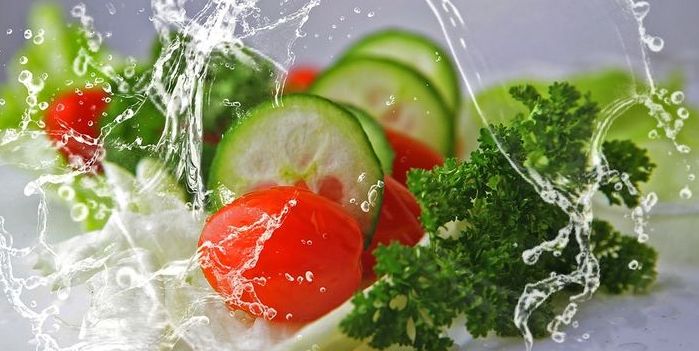
These two types of people are usually mistaken for each other. It is understandable since both feature a heavy focus on green vegetables and the non-consumption of meat. Today, we’ll be talking about the differences between vegans and vegetarians and find out which diet works for you.
Vegetarians
Vegetarians, in the simplest words, are people who primarily eat plant-based food. This means fruits, vegetables, beans, mushrooms lentils, nuts, and other food that does not come from the meat of a member of the animal kingdom.
Vegetarians have levels of vegetarianism. Some vegetarians choose to eat by-products of animals such as dairy, honey, and eggs, while others avoid any animal-based food product entirely. Of course, vegetarians’ diets are not as limited as some naysayers may lead you to believe. In fact, there are quite a lot of recipes one can follow for a delicious and filling meal. It’s not all just broccoli and lettuce.
Vegetarian diets can be composed of a healthy mix of plant-based food and by-products of animals such as:
- Vegetable fried rice
- Vegetable broth
- Lentil soup
- Crispy baked falafel
- Carrot cake
- Peanut sauce noodles
- Blueberry pancakes (Yes, these can be vegetarian)
- Buttered vegetable stir-fry
The access to animal by-products still provides plenty of good fats and protein for a meatless vegetarian.
The same cannot be said, however, for vegans.
Vegans
Vegans are basically the most extreme version of a vegetarian. As a vegan, you are not allowed to eat nor use anything that may have come from an animal. The distinction between a vegetarian and a vegan isn’t really their diet, but their lifestyle choices.
Some vegetarians may disapprove of meat for purely dietary reasons, but are mostly neutral towards the use of livestock. Vegans disapprove any and all exploitation of animals—it’s not just limited to food choices, but the philosophy behind keeping animals in cages for human benefit. This is why vegans disapprove of leather, hunting, and taxidermy. It’s not just a diet—it’s a lifestyle choice.
The Benefits of a Vegan/Vegetarian Diet
Vegans and vegetarians basically eat the same types of food and give or take a few sticks of butter. What’s important to remember is that people undergo the vegan diet for health reasons as much as they do moral ones.
The benefits of a plant-based diet are as follows:
1. Loss of Excess Weight
The biggest detriment of a normal diet is the temptation to eat too much fast food. A vegetarian diet greatly limits that by removing it altogether. Contrary to popular belief, there are plenty of filling foodstuffs you can eat as a vegetarian. High-carb foods such as bread, tofu, and beans are wonderful for filling up the void meat has left.
2. Meals Richer in Nutrients
Due to vegetarianism’s high focus on vegetables and fruits, vitamins and minerals are not hard to come by. The conscious decisions you make to prioritize vegan-friendly foods over meat and dairy means you are less likely to eat foods that are bad for you.
3. Good for the Environment
By consuming fewer animal products, you are actually lowering the production of greenhouse gases and inhumane practices on animals. The amount of methane cows produce as well as the resources needed to transport and feed these animals are, even if only slightly, reduced by choosing a vegan lifestyle.
4. Lower Risks of Diabetes and Cancer
The nutrients found in a vegetarian diet are primarily good for your organs. There’s not a lot you can eat that will actually be bad for you if you eat too much of it, meaning you have a lower risk of developing diseases like diabetes and cancer.