
Watch Your Blood Sugar | Diabetes Awareness Week
This July, let's find out more about diabetes — its symptoms, types, and causes, as well as what we can do to reduce the risk of getting this disease.
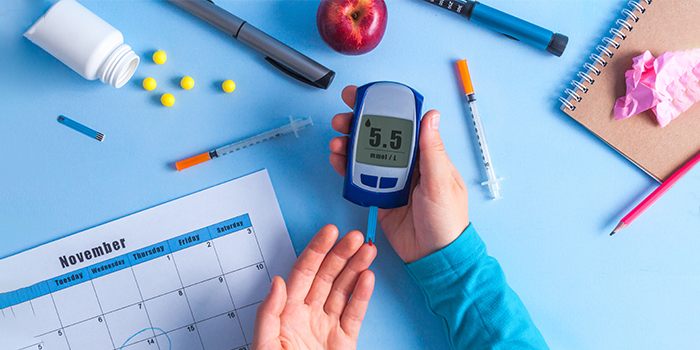
Since 1993, the Philippines has observed Diabetes Awareness Week every fourth week of July to promote more information about this disease and educate the public about its prevention. Signed as Proclamation No. 213 by then President Fidel V. Ramos, it recognizes the importance of creating measures to help Filipinos in the fight against diabetes.
Diabetes Statistics in the Philippines
According to the International Diabetes Federation (IDF) May 2020 report, the Philippines has 3.9 million adult cases of diabetes in the country. This means that one out of 14 Filipino adults is afflicted with the disease, and it continues to be one of the country's top 10 leading causes of death.
What Is Diabetes?
Diabetes mellitus, or diabetes, is a metabolic condition characterized by excessive blood sugar levels. Insulin transports sugar from our bloodstream into our cells, where it is stored or used for energy. If you have diabetes, your body either doesn't generate enough insulin or can't use the insulin it produces efficiently. When elevated blood sugar from diabetes is left untreated, it can damage your nerves, eyes, kidneys, and other organs.
This disease has several types:
- Type 1 diabetes - is an autoimmune disease. The immune system targets and destroys cells in the pancreas, the organ that produces insulin. It is unknown what causes such an attack, and this type of diabetes affects approximately 10% of people with diabetes.
- Type 2 diabetes - the most common type of diabetes; it develops when your body becomes resistant to insulin and blood sugar levels rise.
- Prediabetes - defined as having a blood sugar level that is higher than normal but not high enough to be diagnosed with type 2 diabetes.
- Gestational diabetes - is characterized by an abnormally high blood sugar level during pregnancy. Insulin-blocking substances released by the placenta induce this kind of diabetes.
Each type of diabetes has its own set of symptoms, but in general, they are caused by elevated blood sugar levels. The most common symptoms include increased hunger and thirst, frequent urination, extreme fatigue, weight loss, blurry vision, and sores that don’t heal.
People with type 1 diabetes can be treated with insulin injections and must plan their diet and activities carefully to avoid treatment complications. Meanwhile, those with type 2 diabetes can manage their condition through lifestyle changes, oral medication, and injections. If other treatments fail, insulin is also prescribed.
How to Prevent Diabetes
With the cause of type 1 diabetes being unknown and that of gestational being hormones, we can then turn our attention to what we can do to prevent type 2 diabetes — which is a result of a combination of genetic and lifestyle factors.
For those who are already diagnosed as prediabetic, it’s crucial to take immediate steps to reduce your risk of developing diabetes. According to a study by the American Diabetes Association, up to 70% of people with prediabetes develop type 2 diabetes. Here are what you can do:
- Exercise regularly (at least 150 minutes of aerobic activity per week)
- Eliminate saturated and trans fats, as well as refined carbs from your diet
- Eat a greater variety of vegetables, whole grains, and fruits
- Minimize the intake of processed food
- Avoid eating large portions of food
- Quit smoking
- If you are overweight or obese, try to lose approximately 7% of your body weight
- Optimize your vitamin D levels because it plays a role in blood sugar control
Another healthy recommendation that you might want to consider is adding herbs to your diet. Several herbs, such as curcumin and berberine, have been shown to improve insulin sensitivity and decrease the likelihood of diabetes progression.
As we continue to take steps to combat diabetes, it’s essential to remember that eating the right foods and adopting lifestyle behaviors that promote healthy blood sugar and insulin levels will be the key to avoiding diabetes.