
Why is Swimming Known as the Best Body Workout?
Looking to spice up your weekly exercises? Consider going to the pool or to the beach for a healthy workout!
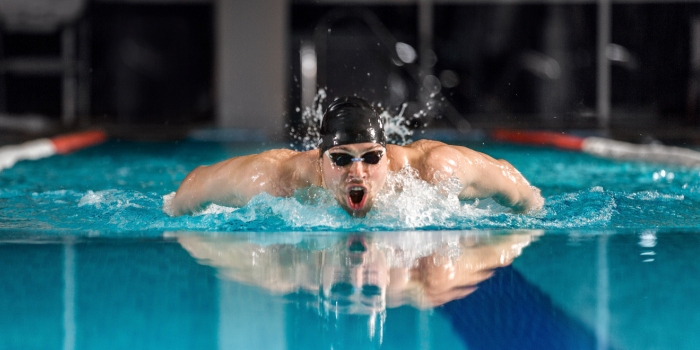
Swimming is a fantastic way to stay in shape and is a good workout for people of all ages. It’s a non-contact, non-weight-bearing exercise that has a low risk of injury.
For those who already know how to swim, it can be a simple and inexpensive form of physical activity. Nonetheless, you don’t need to master the butterfly, sidestroke, backstroke, or breaststroke for you to enjoy its many health benefits. You may already be already familiar with (or have already tried) the freestyle technique — the most common swimming style for beginners and children.
Health Benefits of Swimming
When we swim, we fire up so many of the body’s major muscle groups — so even if you’re just doing a gentle breaststroke, you'll get a full-body workout. This is because as you are moving your legs and arms, you engage your upper body, the middle back, and your core.
Here are the other benefits of swimming:
- Builds Strength and Cardio Abilities - Building and maintaining muscle is critical for a healthy body and a long life, particularly as you get older. Swimming may be considered an aerobic exercise, but it also offers mild resistance because you’re still exercising in water.
- Helps Maintain Healthy Lungs - Studies suggest that swimmers have a higher lung capacity than other athletes. Healthy lungs can help the body process oxygen more proficiently so you won’t get out of breath as easily. Aside from this, researchers also found that stronger lungs can aid in the prevention of other illnesses, such as cardiovascular diseases.
- Low Impact - Swimming allows you to incorporate cardio into your workout without placing your bones, joints, or muscles under much stress. This is especially beneficial for seniors and people with arthritis.
Building a Swim Routine
If you’re just starting out, try swimming a short distance (50 yards) with a short rest after each lap. This will allow you to focus on your technique for a particular type of stroke or swimming style. Aim for 20 laps with a 30-second rest between each, but adjust accordingly depending on how your body feels.
You can challenge yourself by adding more laps and taking a shorter time for rest. You can also make use of a kickboard, a pull buoy, and aqua weights. Just make sure that you are properly warming up (doing easy swimming) for these advanced exercises, and cooling down after.
For those who want to step up their swimming routine, it’s best to train with a swimming coach who can teach you more techniques and who can help you map out a training plan according to your health objectives.
Swimming in Times of Pandemic
In the Philippines, outdoor non-contact sports, including swimming are allowed for areas under Modified General Community Quarantine (MGCQ) and General Community Quarantine (GCQ).
According to the Centers for Disease Control and Prevention, there have been no clinical reports of the COVID-19 virus spreading to people in pools, water playgrounds, hot tubs, or other treated aquatic venues. Nonetheless, they still caution that small droplets or virus particles that remain in the air can spread the virus from person to person. This is most likely to occur in enclosed spaces with insufficient ventilation.
As such, it’s still important to ensure the safety of your surroundings when you go swimming. As much as possible, swim only in a private pool or beach, and only with the people in your household.