
World AIDS Day 2022: Taking Bold Action Against Inequalities
As we commemorate World AIDS Day this year, let us join the call and the global efforts to "End inequalities. End AIDS. End pandemics."
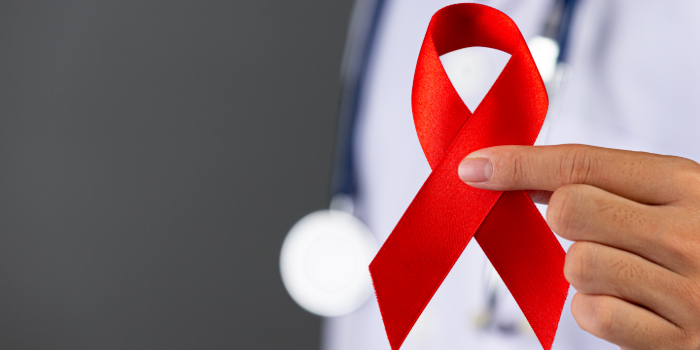
With this year’s celebration of World AIDS Day coming on the 1st of December, the Joint United Nations Programme on HIV/AIDS (UNAIDS) emphasized the critical need to address the disparities that fuel AIDS and other pandemics around the world.
As it calls to ‘End inequalities. End AIDS. End pandemics.’, UNAIDS has issued a cautionary statement warning that if world authorities do not address inequity, we would be facing 7.7 million AIDS-related deaths in the next ten years. UNAIDS also warns that the world will stay stuck in the COVID-19 dilemma if the revolutionary steps needed to get rid of AIDS aren't taken. This would leave the world dangerously unprepared for future pandemics.
The Importance of World AIDS Day
Currently, there are an estimated 38 million people who are infected with the virus worldwide. The virus was only discovered in 1984, but its effects should not be underestimated, as over 35 million people have died as a result of HIV or AIDS-related illnesses, and as such, it has been considered one of the deadliest health crises in history.
Thankfully, scientific improvements in HIV treatment have been made in the past few years, regulations to protect persons living with HIV have also been enacted, and we now know a lot more about the disease. However, many people are still unaware of how to protect themselves and their loved ones, and stigma and prejudice continue to be a reality for many people living with the disease.
Essentially, World AIDS Day is significant because it serves as a reminder to the public and governments around the world that HIV has not gone away—and that more financing, further awareness, prejudice-fighting, and enhanced education are still required.
What is AIDS?
Acquired immunodeficiency syndrome (AIDS) impairs your body's ability to fight infection and disease by destroying your immune system. It is a chronic disorder that is potentially life-threatening and is caused by the human immunodeficiency virus (HIV).
HIV is a virus that is spread sexually. It can also be passed from mother to child during pregnancy, childbirth, or breastfeeding, or by coming into contact with infected blood. Without medicine, it may take years for HIV to deteriorate your immune system to the point of AIDS.
There is currently no cure for HIV/AIDS. Nonetheless, drugs can significantly delay the disease's progression. These medications have significantly reduced AIDS-related fatalities in a number of wealthy countries.
The Situation in the Philippines
In our country, the HIV/AIDS & ART Registry of the Philippines reported a total of 90,960 HIV cases (HARP) from January 1984 to September 2021. Meanwhile, in September 2021 alone, 981 new HIV-positive patients were confirmed.
In the Philippines, the number of new HIV cases per day went from 22 in 2020 to 33 in 2021, which is a big jump. As of September 2021, 54,022 HIV-positive individuals were enrolled in the government's free antiretroviral therapy program (ART). Of those, 3,076 PLHIV said they only got one dose of the COVID-19 vaccine, while 9,244 said they got their full dose.
In the observance of World AIDS Day 2021, Health Secretary and Philippine National AIDS Council (PNAC) Chair Francisco T. Duque III cited two pieces of legislation that had an impact on the HIV response campaign, and one of these is the Philippine HIV and AIDS Policy Act. By joining the Global Partnership for Action to Eliminate All Forms of Stigma and Discrimination through the PNAC and through its Universal Health Care Act, the Philippines reaffirms its commitment to eradicating AIDS.
Keeping Safe and How You Can Help
World AIDS Day is a chance to show support for the millions of people around the world who are living with HIV. On this day, most people do this by wearing a red ribbon to raise awareness about HIV.
You can also choose to get tested, as that is the only way to find out whether you have HIV or not. HIV testing and counseling are available in public and private health facilities throughout the Philippines.
In the end, the day gives public and private sector partners a chance to raise awareness about the state of the pandemic and promote progress in HIV/AIDS prevention, treatment, and care around the world.
World AIDS Day has become a popular international health day, giving people a chance to raise awareness, remember those who have died, and talk about things that have been done, like giving more people access to treatment and prevention services.