
Zinc: The Underrated Mineral You Might Be Missing Out On
Feeling run-down or catching colds too often? The problem might be hiding in your plate. Discover why zinc is the underrated mineral your body needs, and how to get more of it, naturally.
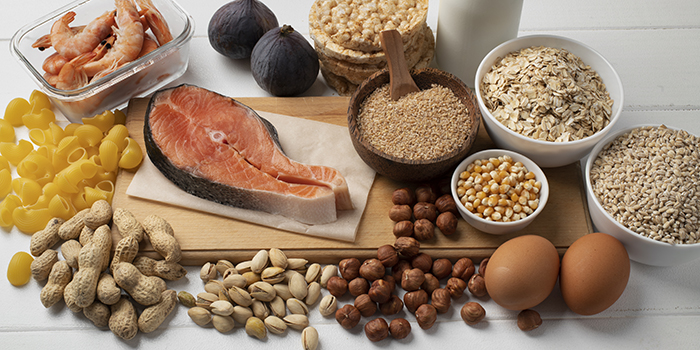
When people talk about essential nutrients, zinc doesn’t always get the spotlight it deserves. Vitamin C has long been the star of cold and flu season, magnesium gets all the love for sleep and stress, and calcium gets credit for strong bones. But zinc? Quietly powerful. Let’s change that.
Why Zinc Matters?
Zinc is a trace mineral, which means we only need small amounts—but those small amounts do a lot. It’s crucial for immune function, wound healing, DNA synthesis, cell growth, and even our sense of taste and smell. And here's something that's especially relevant in today’s world: zinc plays a central role in how our immune systems respond to viruses and bacteria. Low zinc levels can weaken our defenses, making us more prone to infections and slower to recover.
But zinc doesn’t stop there. It’s also been linked to improved skin health, better blood sugar control, and even mood regulation. In men, it’s essential for testosterone production and fertility.
Zinc Check: Are You Getting Enough of this Essential Mineral?
Most people eating a balanced diet probably meet their daily zinc needs—but not everyone. Vegetarians and vegans, for example, may fall short since plant-based sources of zinc are not as easily absorbed by the body. People with digestive conditions like Crohn’s disease or chronic diarrhea may also have trouble absorbing enough zinc from food. And during times of stress, illness, or rapid growth (think: kids and teens), our zinc requirements may increase.
The recommended daily intake for zinc is around:
- For adult men: 11 milligrams (mg) per day
- For adult women: 8 milligrams (mg) per day
So, how do we get it?
Zinc-Rich Foods to Add to Your Plate
The good news? Zinc is found in plenty of everyday foods you might already enjoy. Here are some of the top sources:
- Oysters – The MVP of zinc-rich foods. Just a few can give you several times the daily requirement.
- Red meat – Beef and lamb are solid sources.
- Poultry – Chicken and turkey contain decent amounts.
- Legumes – Lentils, chickpeas, and beans pack zinc, though they also contain phytates, which can reduce absorption.
- Seeds and nuts – Pumpkin seeds, sesame seeds, and cashews are great plant-based options.
- Dairy products – Cheese and milk offer absorbable zinc plus other nutrients.
- Whole grains and fortified cereals – Not only convenient but often enriched with extra zinc.
What About Supplements?
Zinc supplements can be helpful, especially during colds or in cases of deficiency—but more isn’t always better. Taking too much zinc (over 40 mg/day for adults) can cause nausea, interfere with copper absorption, and even suppress immune function if used chronically.
Zinc lozenges may shorten the duration of a cold if taken within 24 hours of symptom onset, but the evidence is mixed and dosage matters. If you're considering supplementation, it's always smart to talk to a healthcare provider first.
The Bottom Line
Zinc may not be as buzzy as some other nutrients, but it’s a workhorse in the background of many essential body functions. Whether you’re looking to support your immune system, speed up recovery, or just round out your diet, giving a little attention to zinc is a small step with big benefits. Focus on real, whole foods—and keep supplements in your back pocket when needed.
Your body (and your taste buds) will thank you.